Regret after gastric sleeve surgery is a condition seen in a minority of patients, most often linked to a mismatch between expectations and reality, insufficient information, difficulty adjusting to the eating routine, or lack of follow-up. Most people who search for "gastric sleeve regret" want to understand the possible negative scenarios before making a decision — and that is a healthy approach. In this article we take an objective look at the factors that can lead to regret, how they can be reduced, and what should be weighed before deciding.
How often does regret occur?
In published studies examining patient satisfaction after bariatric surgery, the large majority of patients report being satisfied with their decision; decision regret is described in a minority group of patients. Regret rates vary from center to center depending on patient selection, the quality of information provided, and the scope of the post-surgery follow-up program. What matters is recognizing and managing the factors that set the stage for regret in advance.
Main factors that can lead to regret
| Factor | Explanation |
|---|---|
| Unrealistic expectations | Surgery is a tool; on its own it is not a "magic solution." The outcome takes shape together with lifestyle adherence. |
| Difficulty with dietary adherence | Small portions, eating slowly, and the rules for the gradual transition can be challenging in the first months. |
| Lack of follow-up | Missing check-up appointments and dietitian support prevents problems from being noticed before they grow. |
| Weight regain | Partial regain can be seen over the long term; it is most often related to eating routine and activity. |
| Complications | Although rare, conditions such as reflux can affect quality of life. For details, see our article on risks. |
| Psychosocial change | Changes in body image, social eating habits, and relationships can catch people off guard. |
Managing expectations: what surgery does and does not do
Gastric sleeve surgery shrinks the volume of the stomach so that you feel full earlier and affects some appetite-related hormonal signals. However, it does not automatically change eating behavior, the tendency toward emotional eating, or activity habits. The literature reports that long-term outcomes show a strong relationship with dietary adherence, regular follow-up, and physical activity (ASMBS/IFSO 2022 guideline). For this reason, the decision to have surgery should be made together with the decision to be ready for a lifestyle change.
Approaches that reduce the risk of regret
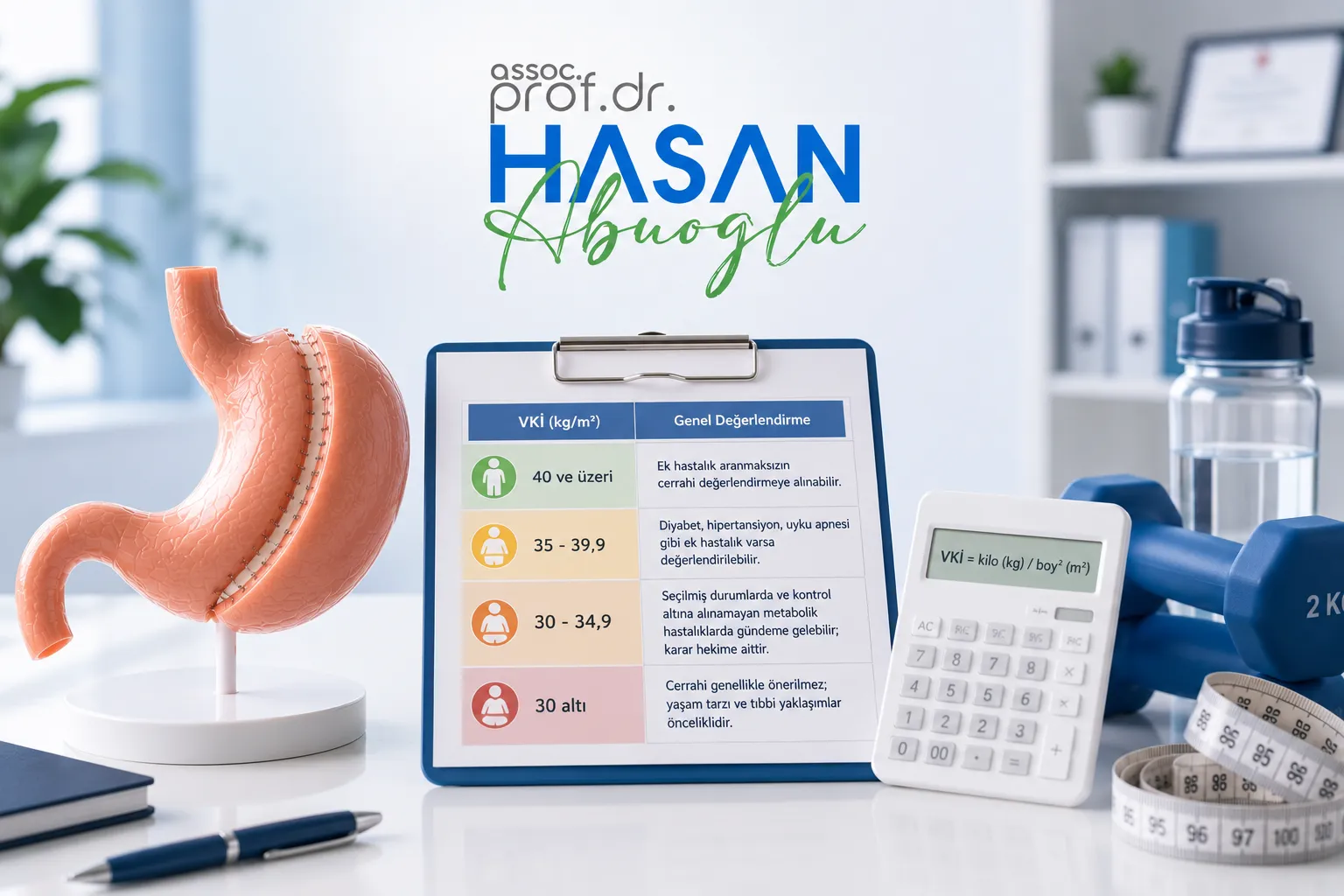
- Correct indication: Meeting the eligibility criteria (BMI thresholds and comorbidities). For details, see our article on eligibility criteria.
- Comprehensive information: An open discussion about the method being permanent, the possible risks, and the expected course.
- Multidisciplinary evaluation: Involvement of endocrinology, psychology, and nutrition specialists when needed.
- Structured follow-up: Regular check-ups within the first year, dietitian support, and additional support when needed.
- Realistic goals: A plan covering gradual weight loss over the first 12–18 months and a maintenance phase thereafter.
Questions you can ask your physician before deciding
- Is this method suitable for my BMI and health status, and what are the alternatives?
- What are the risks specific to me?
- What does your post-surgery follow-up program cover?
- What support will I receive during the nutrition process?
- What do you recommend for maintaining my weight over the long term?
The Right Information for Your Decision
You can get clear information about suitability, the process, and expectations through a physician's evaluation.
Schedule a Consultation