Loading...
Loading...
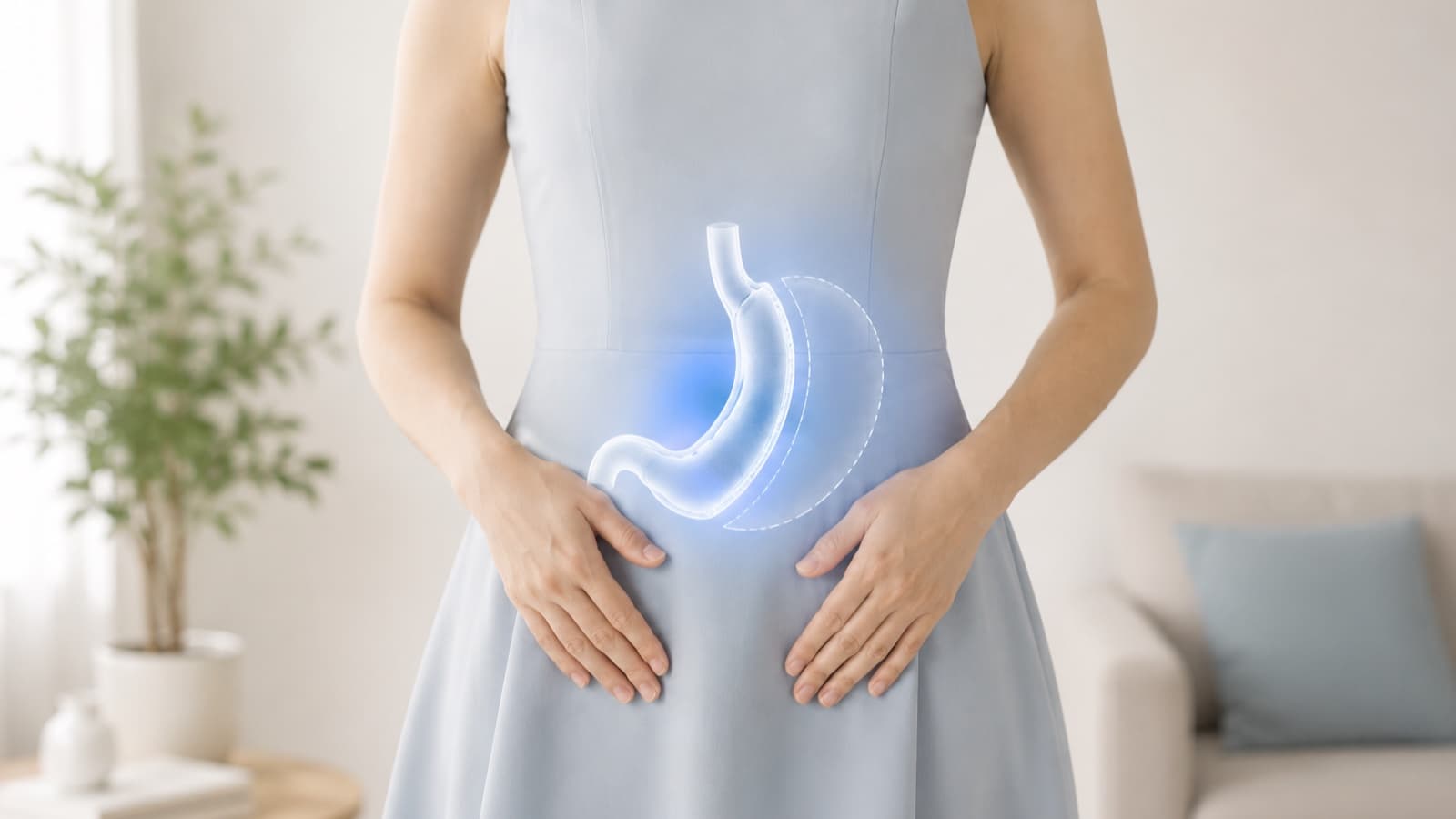
The gastric balloon (intragastric balloon) is a temporary, non-surgical treatment option for obesity, placed endoscopically inside the stomach and generally removed after approximately six months. It is considered in patients with BMI 27-40 who are not surgical candidates.
Medically reviewed by Assoc. Prof. Dr. Hasan Abuoğlu · June 21, 2026
The intragastric balloon (gastric balloon) is a temporary, non-surgical method for supporting weight management in obesity, placed into the stomach either endoscopically or as a swallowable capsule and generally removed after 6 months. The silicone balloon occupies part of the stomach volume, promoting earlier satiety and supporting reduced daily calorie intake. Because it does not involve any cutting, suturing, or permanent change to digestive system anatomy, it is considered a reversible medical approach.
According to the World Health Organization, adult obesity has more than doubled over the last four decades and has become a global public health concern [7]. For patients in whom lifestyle modification and pharmacotherapy remain insufficient but who have not yet met the threshold for bariatric surgery or prefer non-surgical options, endoscopic bariatric therapies represent an important intermediate step. Guidelines from the American Society for Gastrointestinal Endoscopy (ASGE) and the International Federation for the Surgery of Obesity and Metabolic Disorders (IFSO) classify intragastric balloons as a short-to-medium term option with a well-defined safety profile, used alongside a structured diet and exercise program [1][2].
The most common questions about this treatment
The procedure is performed under sedation, so you are in a sleep-like state and do not feel pain. The balloon is inserted with an endoscope advanced through the mouth; there may be a temporary sensation of pressure in the throat, but this occurs while consciousness is suppressed. After the procedure, upon waking, you may experience a feeling of fullness in the stomach area, mild cramps, or nausea. These symptoms are managed with prescribed medications. Since full general anesthesia is not required, the recovery period is short and most patients are discharged on the same day.
The first 3-7 days constitute the adaptation period, during which a large proportion of patients experience nausea and vomiting of varying intensity. Vomiting is particularly noticeable in the first 3 days; antiemetics (anti-nausea) and antispasmodic medications are prescribed for this phase. By the end of the first week, symptoms are typically significantly reduced. Mild intermittent nausea may recur in subsequent weeks, especially when portions are too large or eating is too fast. In cases of severe, persistent vomiting or inability to take fluids, the physician should be contacted.
Fluid and air-filled balloons are removed endoscopically at the end of 6 months. As with placement, under sedation, the endoscope is passed through the mouth to the stomach; the balloon is punctured with a special needle, the fluid inside is aspirated, and the deflated balloon is grasped with forceps and withdrawn. The entire procedure takes 15-30 minutes and is completed with same-day discharge. In the case of the swallowable Allurion Elipse, no second endoscopy is required; the balloon spontaneously empties around the 16th week and is eliminated naturally.
This depends entirely on the habits established during the balloon period. Because stomach anatomy is unchanged when the balloon is removed, some patients may return to their previous eating patterns and regain a portion of the weight lost. Systematic reviews indicate a degree of regain at 1 year and beyond [5]. Conversely, patients who have established portion control, slow eating, regular exercise, and behavioral change during the balloon period are observed to retain a large portion of their results. For this reason, continuing dietitian follow-up for at least 12-18 months after balloon removal is recommended.
Because the intragastric balloon is a reversible, temporary method that does not involve cutting or suturing, it can be considered an option worth evaluating for patients who wish to avoid permanent anatomical change. It is also accessible to patients with BMI 27-40, those below the bariatric surgery threshold but not achieving sufficient results with lifestyle changes alone. Suitability still depends on individual evaluation: comorbidities, gastric-esophageal status, motivation level, and prior weight management attempts are assessed before a decision is made. It is clearly shared that the balloon is a "tool" and that outcomes form together with behavioral change.
The most notable difference lies in the placement and removal method. The Allurion Elipse is swallowed in capsule form; neither endoscopy nor sedation is required. Once the capsule reaches the stomach, it is inflated through the catheter and, around the 16th week, spontaneously opens and is eliminated naturally [4]. Endoscopic balloons, on the other hand, require gastroscopy for both placement and removal and stay in the stomach for 6 months (up to 12 months with Spatz3). Due to differences in volume and duration, the weight-change profiles also differ. Preference is determined by the patient's eligibility for endoscopy and their treatment goal.
In some patients, severe nausea and vomiting, marked reflux, or persistent abdominal pain may necessitate earlier-than-planned removal of the balloon [5]. This is one of the advantages of a reversible approach — the balloon can be removed endoscopically at any time. The decision is made when symptoms do not resolve despite medical therapy (antiemetics, antispasmodics, PPIs) and quality of life is significantly affected. In case of early removal, the procedure is performed under sedation and completed within 15-30 minutes, similar to routine removal. For patients who cannot tolerate the balloon, alternative treatment pathways are reconsidered.
The first week involves a gradual transition from clear fluids to soft solids. Afterward, 3 main + 2 snack meals per day are consumed in small portions, slowly, and with thorough chewing. Instead of drinking during meals, fluids are taken 30 minutes before and after. Each meal prioritizes a lean protein source (chicken, fish, eggs, legumes). Sugary and carbonated beverages, high-fat or fried foods, and alcohol are categories to avoid. Consuming at least 1.5-2 liters of water daily is a basic target to prevent dehydration. The plan is individualized with dietitian follow-up.
Yes, regular physical activity is important for treatment to reach its intended goal. In the first 1-2 weeks during the adaptation period, only light walking is initiated. From the third week, as tolerance improves, brisk walking, swimming, cycling, and moderate cardiovascular exercises are added. 150 minutes of moderate-intensity activity per week is the target recommended by international guidelines. Movements that directly strain the abdominal region (such as heavy core workouts) may be limited in the early period. Strength training can be gradually introduced into the program after exercise tolerance is established. The exercise plan is determined with your physician and dietitian based on your individual condition.
Generally, the 18-65 age range is considered appropriate; however, these limits are not absolute. Applications in adolescent patients are limited in the literature and require special evaluation. In elderly patients, the decision is individualized based on comorbidities, tolerance for endoscopy and sedation, and the expected benefit-risk balance. Pre-procedure evaluation reviews general health status, cardiovascular risk, renal-hepatic function, and medication use. Age alone is not a sufficient parameter for a treatment decision; a holistic clinical evaluation is essential.
Pregnancy is a contraindication for the intragastric balloon; medical evaluation is also required if pregnancy occurs while the balloon is in place. Patients planning pregnancy are advised to wait for the balloon period (6-12 months) to conclude, for removal to be completed, and for nutritional status to stabilize before attempting conception. Weight change prior to pregnancy can be a favorable preparation for both maternal and fetal health; however, timing and planning should be coordinated with a gynecologist. The balloon is also not applied during breastfeeding. In patients with pregnancy goals, the treatment decision is made with this timeline in mind.
The most common occur in the first week: nausea, vomiting, stomach cramps, reflux, and belching. These symptoms are seen in a large proportion of patients at varying intensities and typically subside significantly within 3-7 days with medical treatment [5]. In subsequent months, intermittent reflux and halitosis may occur; proton pump inhibitors often provide sufficient relief. Rare but important complications include balloon deflation (dye-colored urine as the first sign), balloon migration (passage of a deflated balloon into the intestine), gastric ulcer, or esophagitis. Very rarely, perforation or pancreatitis have been reported. Full adherence to the schedule and regular follow-up prevent the large majority of these risks.
Explore other bariatric surgery options
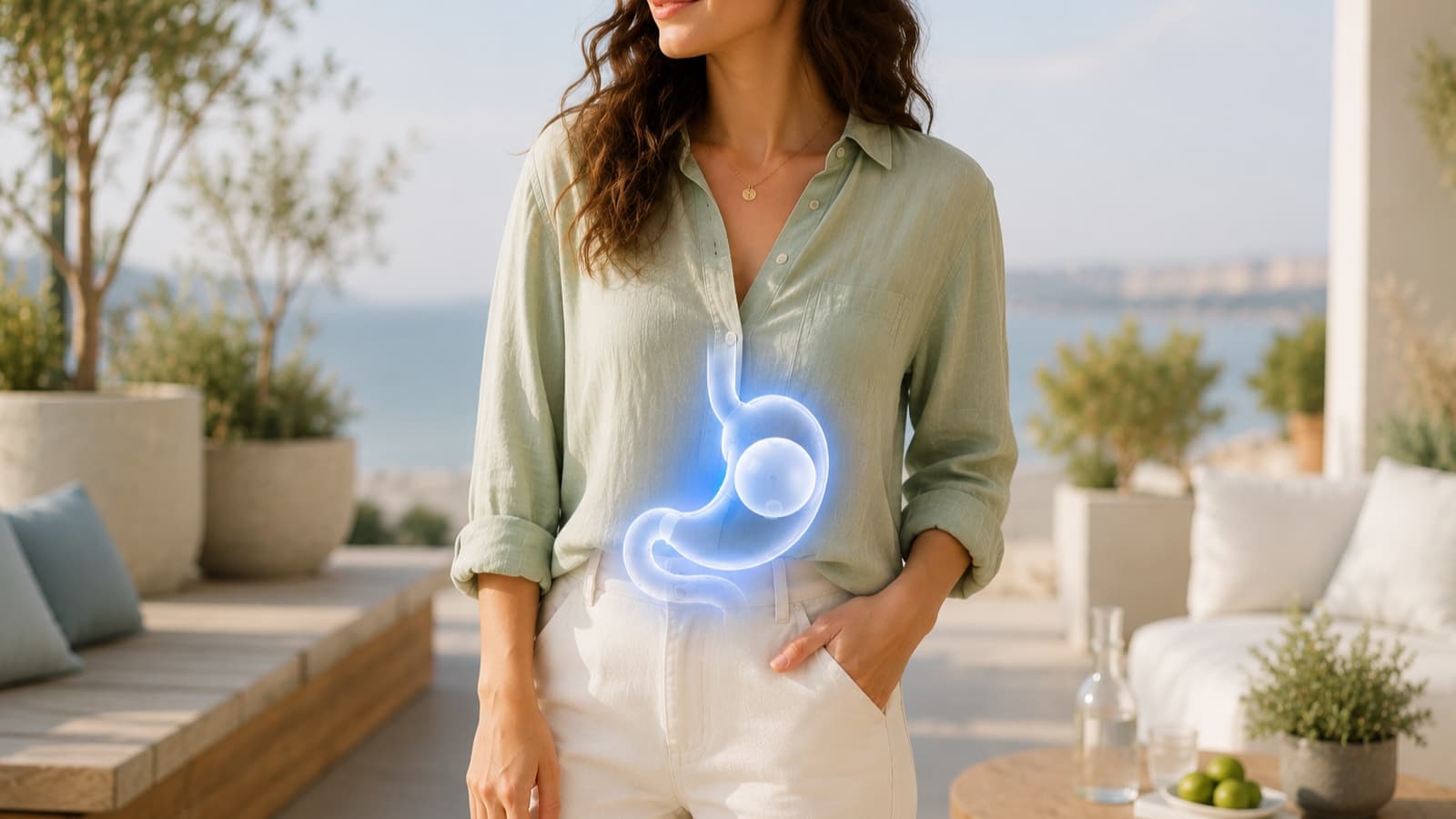
The intragastric balloon is a medical device made of silicone or polyurethane that occupies space inside the stomach after being inflated. It is introduced through the mouth in its deflated form under gastroscopy (upper endoscopy) guidance and then filled with sterile saline or air. The volume it occupies physically limits the amount of food that can be consumed during a single meal.
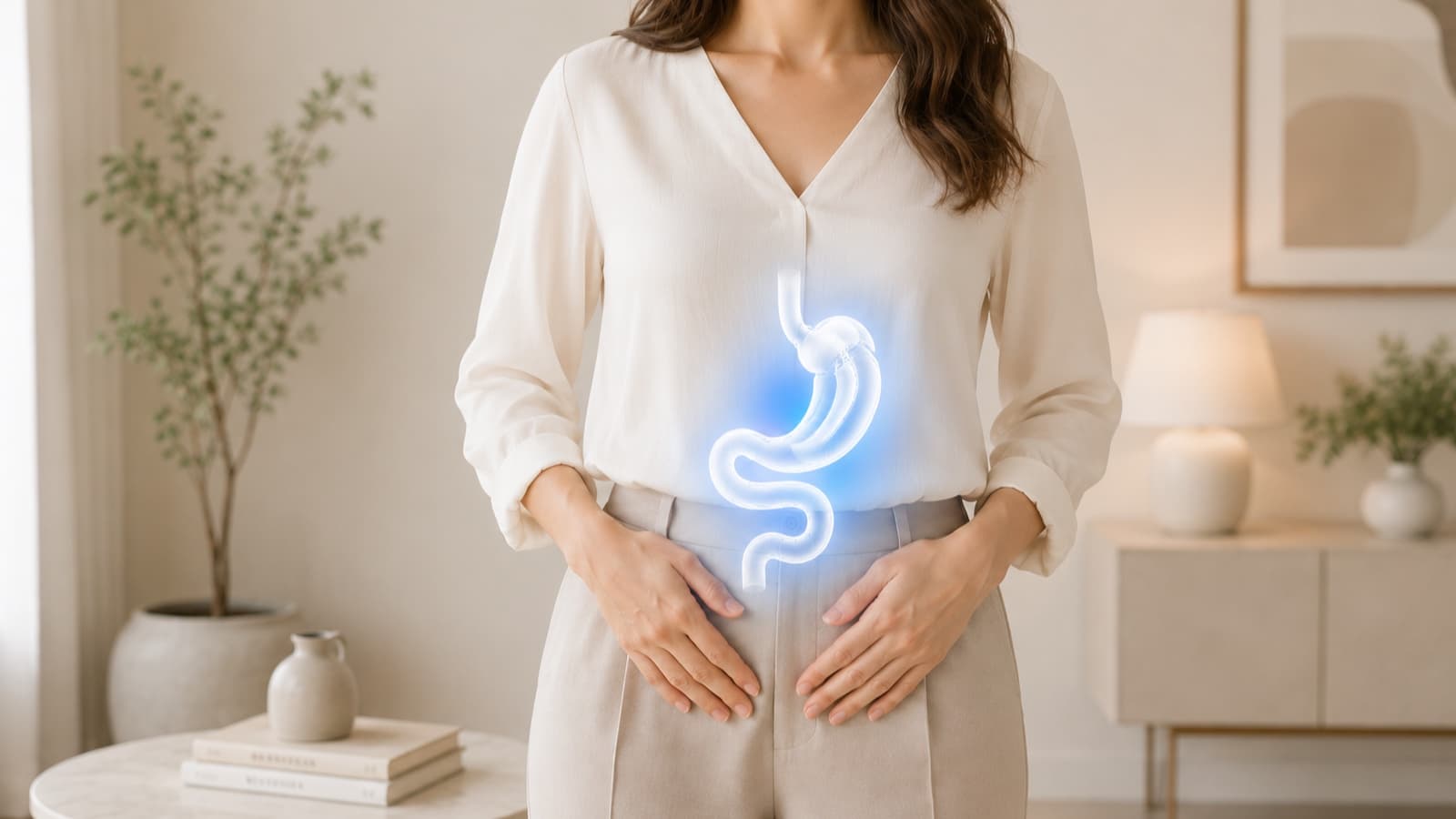
This approach falls within the category of non-surgical bariatric therapies. In procedures such as sleeve gastrectomy or gastric bypass, part of the stomach is removed or the intestinal route is rerouted, whereas the balloon method does not involve any alteration of tissue. After the procedure, stomach anatomy remains unchanged apart from the presence of the balloon.
The balloon is a temporary device. It typically stays in the stomach for 6 months, with some newer models designed for up to 12 months. At the end of this period, the balloon is deflated endoscopically and removed. In swallowable models such as the Allurion (Elipse) balloon, a built-in valve opens around the 16th week, causing the balloon to empty and pass naturally from the body.
The effect of the intragastric balloon is based on three main mechanisms. The first is a mechanical effect: the 400-700 ml volume occupied by the balloon reduces the stomach's reserve capacity and supports satiety with smaller meals. The second is delayed gastric emptying: the presence of the balloon extends the time food spends in the stomach, prolonging the feeling of fullness.
The third and increasingly recognized mechanism is hormonal modulation. Clinical studies have shown that following balloon placement, levels of the appetite hormone ghrelin decrease, while changes are observed in satiety-signaling peptides [3]. This hormonal effect helps explain the subjective reduction in hunger reported by patients and shows that weight change is not driven by space occupation alone.
It is important to emphasize that the balloon is not a device that produces weight loss on its own. It provides the patient with a window of opportunity for behavioral change. The sustainability of eating habits and portion control established during this window, once the balloon is removed, is the key factor in whether the treatment outcome is maintained.
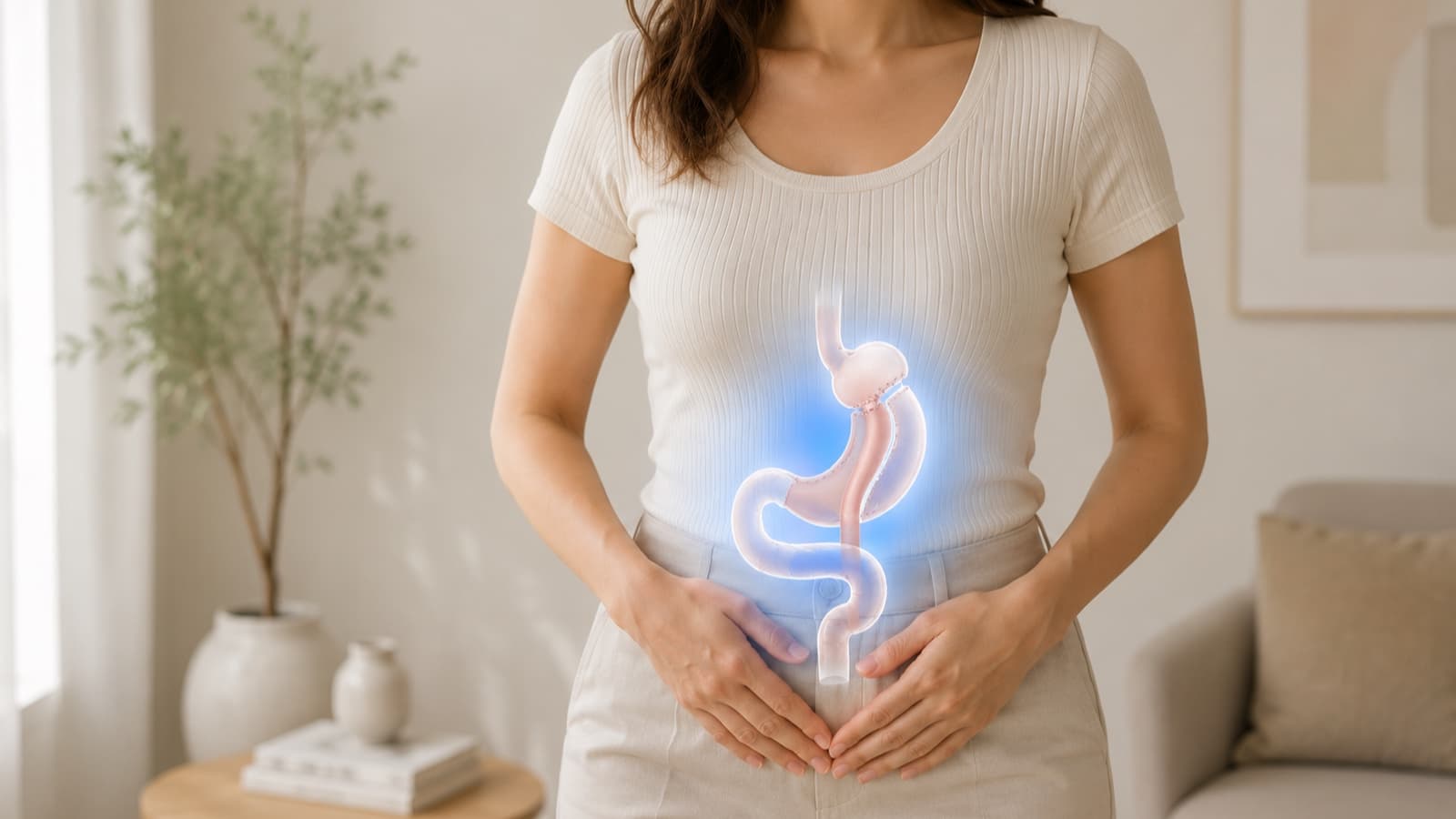
The intragastric balloon belongs to the endoscopic category of bariatric therapies and is categorically distinct from surgical methods. No incisions are made in the abdominal wall, no stomach tissue is cut or sutured, and the normal course of the digestive system is not altered. A flexible endoscope is advanced through the mouth to deliver the balloon into the stomach; the entire procedure is performed from within the lumen of the digestive tract.
The practical implications for the patient are meaningful. In most centers the procedure is performed under sedation; full general anesthesia is not required. Typical post-surgical concerns — wound infection, staple-line leaks, intra-abdominal adhesions — are not applicable to intragastric balloon placement. Hospitalization is usually not needed and the procedure is typically completed on a same-day basis.
Reversibility is one of the most defining differences. In sleeve gastrectomy, approximately 75-80% of the stomach is permanently removed. The intragastric balloon, by contrast, can be removed at any time based on clinical need or patient preference, and is routinely removed at the 6-month mark. This feature makes the balloon a relevant starting option for patients who prefer to avoid permanent anatomical change [1].
Several balloon types are in clinical use, differing in fill content, placement method, and duration of stay in the stomach. Selection of the appropriate type is based on BMI, tolerance expectations, suitability for endoscopy, and clinical evaluation.
Fluid-filled balloons are the most widely used type worldwide. Orbera (formerly known as BIB) is a silicone balloon inflated with 400-700 ml of sterile saline, and safety and efficacy data from 6-month FDA-approved clinical studies have been published [3]. A dye such as methylene blue is typically added to the saline inside the balloon; in case of a leak, the urine takes on a greenish-blue color that alerts the patient.
Spatz3 features an adjustable volume. After placement, the volume can be reduced if the patient has tolerance difficulties or increased if weight change plateaus. This flexibility also allows for extended use of up to 12 months. Fluid-filled balloons tend to produce a stronger sensation of fullness; in return, nausea and vomiting may be more pronounced during the adaptation period.
Both placement and removal of fluid-filled balloons are performed endoscopically. The deflated balloon is passed through the mouth into the stomach and filled through a catheter; at the end of 6 months, it is punctured with a special needle, emptied, and retrieved endoscopically.
Balloons inflated with air (more precisely, an inert gas such as nitrogen) place a lighter load inside the stomach compared to fluid-filled models. This may lead to milder side effects such as nausea and abdominal cramps in some patients. However, their volume effect is more limited, and the intensity of satiety sensation may be lower than with fluid-filled balloons.
Air-filled balloons are also placed and removed endoscopically. Although certain models (e.g., Heliosphere BAG) were once widely used, clinical preference is relatively more limited compared to the broader evidence base for fluid-filled variants. Balloon type selection is individualized based on the patient's tolerance profile and comorbidities.
The swallowable balloon (Allurion Elipse) has emerged as a notable innovation in recent years. In this model, the balloon is folded inside a capsule attached to a thin catheter, and the patient swallows it. No endoscopy is required; once the capsule reaches the stomach (confirmed radiologically), the balloon is inflated through the catheter and the catheter is withdrawn [4].
Around the 16th week, an internal valve opens, the balloon empties, and it is eliminated naturally through the intestines. No second endoscopy is needed for removal. This feature is a key advantage for patients who wish to avoid endoscopy or sedation. Clinical data indicate that the Elipse balloon may support an average weight change of approximately 12-15 kg over 4 months [4].
On the other hand, the duration of a swallowable balloon is shorter and its volume generally smaller than 6-month endoscopic models. The choice between endoscopic and swallowable balloons is made by the clinician based on the patient's weight management goals and profile suitability. Both groups rely on the same fundamental principle: occupying temporary volume in the stomach to support earlier satiety.
The intragastric balloon can be considered across a broader BMI range than bariatric surgery. Guidelines generally accept a BMI range of 27-40 as potentially appropriate [1][2]. Given that the international threshold for surgical bariatric intervention is typically BMI ≥35 with comorbidities or ≥40, the balloon remains available for patients with lower BMI values as well. This allows consideration of overweight individuals (BMI 27-30) who are not yet in the obese category.
The candidate profile is not limited to BMI alone. The following factors are taken into account during evaluation:
Motivation and compliance: willingness to sustain dietary and exercise changes after the balloon period
Age range: generally 18-65 years, with flexibility based on individual assessment
Pre-bariatric-surgery bridge need: preliminary weight reduction to reduce surgical risk in patients with very high BMI
Contraindication to surgery: patients with elevated general anesthesia risk
History of weight-loss attempts: insufficient results with diet and exercise
Contraindications must be carefully excluded during the pre-procedure evaluation. The following conditions are not suitable for balloon application or require special assessment:
Active peptic ulcer or severe esophagitis
History of previous stomach or esophageal surgery
Large hiatal hernia
Known or suspected gastric cancer or advanced precancerous lesions
Pregnancy and breastfeeding
Untreated severe coagulation disorders
Chronic steroid or NSAID use (subject to evaluation)
Severe psychiatric disorders or eating disorder diagnosis (without appropriate treatment)
Alcohol or substance dependence
Pre-procedure evaluation includes endoscopy, routine laboratory tests, and if needed, cardiology and psychiatry consultations. A treatment decision is made once the patient accepts that the balloon is a tool and that outcomes depend on their own behavioral change.
Before balloon placement, the patient undergoes a detailed informed consent process. Setting realistic expectations — an average weight change of approximately 15-25 kg over 6 months, with maintenance dependent on sustained habits after the balloon — is central to this phase [5]. It includes dietitian consultation, food diary keeping, and behavioral goal setting.
Medical preparation involves a review of general health status to ensure suitability for upper gastrointestinal endoscopy. Complete blood count, biochemistry, coagulation parameters, and ECG when needed are requested. Patients on chronic medications — particularly blood thinners — arrange temporary adjustments with their physician. Fasting for 8-12 hours before the procedure is required for a safe endoscopy.
Since patients cannot drive after sedation, they should be accompanied by a companion on the day of the procedure. Fluid intake is also stopped at a specified time beforehand; an empty stomach supports a clean and efficient placement.
The procedure is performed in an endoscopy unit. The patient receives intravenous sedation; most patients sleep through the procedure and feel no pain. A diagnostic gastroscopy is first carried out to evaluate the stomach and esophagus — to check for ulcers, large hernias, or any obstructive pathology.
If the evaluation is satisfactory, the deflated balloon is advanced from the mouth into the stomach. Under endoscopic guidance its position is confirmed, and it is filled through the attached catheter with sterile saline (400-700 ml in fluid-filled models). Once the required volume is reached, the catheter is withdrawn; a self-sealing valve on the balloon prevents reflux of fluid. After a final endoscopic check, the procedure is completed.
The entire process generally takes 15-30 minutes. Since no incision is made on the abdominal wall, no external scar is left. In swallowable balloon applications, the patient swallows the capsule with water, catheter position is confirmed radiologically, and after inflation the catheter is withdrawn through the mouth; total time is also around 15-20 minutes.
Once the sedation effect wears off, the patient is observed for a period and is usually discharged on the same day. Some centers may prefer an overnight stay; this is individualized based on side-effect management and safety considerations. Clear fluids are started in the first hours, and liquid nutrition is generally recommended for the first 24 hours.
The first week after discharge is the adaptation period, during which the stomach perceives the balloon as a "foreign body." Patients may experience nausea, vomiting, stomach cramps, or reflux symptoms. Antiemetics (anti-nausea medication), antispasmodics, and proton pump inhibitors (acid-suppressing medication) are prescribed for these symptoms. In a large proportion of patients, symptoms significantly subside within the first 3-7 days.
Weight change with the intragastric balloon tends to follow a typical curve. The first month is when the volume effect is strongest and adaptation constraints most limit intake. During this period, a significant proportion of patients may experience a change of around 6-10 kg. In the following months, the rate slows but can continue steadily.
The second and third months represent the period of full adaptation to the balloon, with the monthly rate of change dropping to the 2-4 kg band. From the fourth month, the body begins adapting to the new intake level and the rate slows further; plateau phases may occur. At the end of the sixth month, the average cumulative change reported in various studies ranges between 15-25 kg [5]. Excess weight loss (EWL) percentages typically fall between 25% and 40%. Results vary from person to person.
Individual outcomes vary markedly based on starting weight, metabolic profile, diet and exercise compliance, and psychosocial support. The key determinant of outcome is the development of sustainable habits during the balloon period. For this reason, placing behavioral change at the center of the process — rather than focusing only on numerical targets — is recommended.
Long-term maintenance is one of the most debated topics in the intragastric balloon literature. After the balloon is removed — because anatomy has not been permanently altered — patients may return to previous eating patterns, and weight regain is frequently observed. Systematic reviews show that a portion of the weight lost may be regained at 1 year and beyond [5]. Therefore, balloon therapy should not be planned merely as a device application but as an integrated program with ongoing dietitian, psychologist, and physician follow-up.
Fluid and air-filled balloons are removed endoscopically at the end of 6 months (or 12 months in adjustable models such as Spatz3). The procedure is carried out under sedation, similar to placement. The endoscope is advanced into the stomach, the balloon is visualized and punctured with a special needle. The fluid inside is aspirated with a suction device; the deflated balloon is then grasped with a retrieval forceps and withdrawn through the mouth.
The removal procedure also generally takes 15-30 minutes and is completed with same-day discharge. The patient is observed for a few hours afterward and may feel mild throat discomfort or bloating. The rate of serious complications, as with placement, remains low.
In swallowable balloons, removal is different. The Allurion Elipse spontaneously empties around the 16th week when its valve opens. The deflated balloon passes naturally through the gastrointestinal tract and is eliminated in the stool. No second endoscopy is required; this is one of the device's most prominent advantages for the patient [4]. In rare cases, the balloon may open earlier than expected or become stuck in the intestine; additional evaluation is required in such situations.
The first 48-72 hours after balloon removal is a new adaptation period for the stomach. With the occupying volume gone, the patient notices they can eat more; conscious maintenance of portion control at this point is critically important. The first few days start with soft, easy-to-digest foods, followed by a gradual return to normal-texture nutrition.
The greatest risk of the post-removal period is weight regain. The habits established during the balloon period — small portions, slow eating, protein-priority choices, regular fluid intake — are now entirely a matter of personal discipline. Continuing dietitian follow-up for at least 12-18 more months during this phase is recommended. In one-year follow-ups, some patients maintain a large portion of the weight lost, while others approach their previous weight [5].
For some patients, balloon repetition or post-balloon pharmacotherapy (such as GLP-1 analogs) may be considered. In high-BMI patients where the balloon was planned as a "bridge," transition to bariatric surgery may be evaluated afterward. The plan is individualized for each patient.
The first week is the period during which both the stomach and the patient adapt to the balloon. The first 24-48 hours are spent on clear fluids (water, unsweetened tea, broth, unsweetened fruit juice). From the third day, semi-liquid foods such as yogurt, soup, puree, and pudding-like textures are introduced. Around days 5-7, a gradual transition to soft solid foods (boiled vegetables, tender cooked chicken) begins.
During this period, nausea, vomiting, and cramps are observed in a large proportion of patients [5]. Prescribed antiemetics and antispasmodics ease these symptoms. Sipping fluids slowly and frequently is important to prevent dehydration. Staying in contact with the clinician when needed is essential; severe vomiting and inability to take fluids may require short-term hospital observation.
By the end of the first week, symptoms typically decline significantly and the patient returns to normal life. Return to work is possible within 3-5 days in most occupations; this may extend to a week in physically demanding jobs.
The 6 months with the balloon should be viewed as an opportunity window to establish new eating habits. The goal is not only weight change but also building a sustainable eating pattern. The following principles serve as basic guidance:
Small portions, frequent meals: 3 main meals + 2 snacks arrangement per day
Slow eating: thorough chewing of each bite, meal duration extended to 20-30 minutes
Limiting fluids during meals: fluids 30 minutes before and 30 minutes after meals; minimal during meals
Protein priority: adding a lean protein source (chicken, fish, eggs, legumes) to each meal
Avoiding sugary and carbonated beverages: due to both calorie load and gas accumulation
Limiting high-fat and fried foods: may trigger nausea
At least 1.5-2 L of water per day: to prevent dehydration
Multivitamin and mineral supplementation may be recommended, especially during periods of sustained low-calorie intake. Iron, B12, vitamin D, and calcium levels are monitored. Alcohol consumption is an item to avoid during the balloon period — due to both empty calorie load and the risk of gastric mucosal irritation.
The most valuable contribution of the intragastric balloon is the opportunity for behavioral change it offers. Simply carrying the device for 6 months is not what shapes outcomes — consciously using this period does. Behavioral support — dietitian sessions, psychological support when needed, group programs — is an integral part of the treatment.
Recognizing eating triggers is at the core of this process. Emotional eating, boredom, social pressure, or automatic snacking patterns tied to specific times are observed, and alternative coping mechanisms are introduced in their place. Simple self-monitoring tools — journaling, meal photography, step counting — support motivation.
A physical activity program should also begin alongside the balloon period. Starting with light walking in the first month, the program expands as tolerance grows to include brisk walking, swimming, and cycling-type aerobic exercises. 150 minutes of moderate-intensity activity per week is a shared target across international obesity guidelines. To the extent this habit is maintained after the balloon is removed, weight maintenance is meaningfully more achievable.
The side-effect profile of the intragastric balloon is well-defined and largely temporary. The most common occur in the first week: nausea, vomiting, stomach cramps, reflux, and belching. Vomiting is particularly notable in the first 3 days and is controlled with medical support [5]. In a portion of patients, intolerance may lead to early removal of the balloon [5].
In the medium term, some patients may report intermittent reflux, belching, and halitosis. Proton pump inhibitors provide sufficient relief in most cases. Persistent vomiting, signs of dehydration, severe abdominal pain, bloody vomiting, or black stools should prompt immediate consultation with the physician.
Rare but important complications to be aware of include:
Balloon deflation: leakage of fluid from the balloon into the stomach; dye-colored urine is the first sign
Balloon migration: passage of a deflated balloon into the small intestine; may pose an ileus (bowel obstruction) risk and requires urgent intervention
Gastric ulcer or erosion: mucosal damage due to prolonged contact
Esophagitis: esophageal inflammation secondary to reflux
Rare but serious: gastric perforation — very rarely reported in the literature
Pancreatitis: reported as a rare condition associated with balloon pressure on the pancreatic duct
The large majority of these complications are prevented by removing the balloon within the recommended timeframe. The "forgotten balloon" — one left beyond the 6-month mark — is the scenario where risk increases most notably. For this reason, patient adherence to the schedule and keeping removal appointments are important.
As with any surgical or interventional procedure, outcomes of intragastric balloon application may vary from person to person. It is recommended to seek a detailed opinion from your physician before the procedure.
The intragastric balloon and bariatric surgical methods — particularly sleeve gastrectomy and Roux-en-Y gastric bypass — are tools directed toward different patient profiles, complementing rather than substituting one another.
Regarding weight outcomes: Bariatric surgery produces more pronounced long-term weight change. Excess weight loss (EWL) percentages frequently reach 60-80% at 1-2 years after sleeve or bypass [6]. Intragastric balloons remain in the 25-40% EWL range at 6 months, with a degree of regain risk after removal [5]. This difference stems from the permanent anatomical-hormonal change created by surgery.
Regarding reversibility: Sleeve gastrectomy is irreversible; approximately 80% of the stomach is permanently removed. Gastric bypass, though technically revisable, is in practice a non-reversible procedure. The balloon, by nature, is temporary and is routinely removed at 6 months.
Regarding invasiveness: Surgical methods require general anesthesia and laparoscopic abdominal intervention. The balloon, by contrast, is an endoscopic procedure usually performed under sedation. Hospital stay after surgery typically lasts 2-4 days, while balloon placement usually concludes with same-day discharge.
Regarding BMI suitability: International guidelines generally recommend bariatric surgery at a threshold of BMI ≥35 with comorbidities or ≥40 [6]. The intragastric balloon can be considered across BMI 27-40, thus offering an option for patients with lower BMI values who are not at the surgical threshold [1].
Which method for which patient? Patients with very high BMI and metabolic disease (type 2 diabetes, severe sleep apnea) may primarily be candidates for surgery. Those with moderate weight excess, who prefer to avoid surgery or are not eligible for it, may be evaluated as balloon candidates for short-term goals. In very high-BMI patients, the balloon may also serve as a "bridge" before surgery — providing preliminary weight change to reduce surgical risk. The selection is an individualized answer to the question of which profile is better served by which method.
Assoc. Prof. Dr. Hasan Abuoğlu is a General Surgeon based in Istanbul, with over 25 years of surgical experience and more than 10,000 laparoscopic operations performed. Alongside a practice focused on bariatric and metabolic surgery, he also applies endoscopic obesity treatments and offers his patients an integrated evaluation that considers both surgical and non-surgical methods. He is a member of the Turkish Society of Bariatric and Metabolic Surgery (TBMCD) and IFSO.
At the center of this approach is accurately reading the patient profile. Every obesity case is different; the most appropriate method is determined together with the patient, taking into account BMI, comorbidities, lifestyle, motivation level, and expectations. The intragastric balloon is considered a relevant option for patients below the surgical threshold, for those requiring bridge therapy, or for candidates who wish to avoid permanent change. The balloon, however, is not presented as a standalone solution; it is part of a program that includes dietitian support, psychological support when necessary, and regular clinical follow-up.
The tone blends professional rigor with a warm, non-judgmental guiding attitude. Obesity is addressed not as a matter of "weak willpower" but as a chronic health condition with biological, psychological, and social components. Throughout the process, the patient is informed, expectations are grounded in realistic terms, and decisions are made jointly.
This content is provided for informational purposes only and does not replace any medical diagnosis, treatment, or physician examination. Whether the intragastric balloon is appropriate for you can only be determined by your physician following a detailed personal evaluation. Medications, nutrition plans, and follow-up schedules are tailored to individual circumstances. As with any surgical or interventional procedure, outcomes may vary from person to person. It is recommended to seek a detailed opinion from your physician before the procedure. For any health-related decisions, please consult a qualified medical specialist.
[1] ASGE Bariatric Endoscopy Task Force — Intragastric Balloons in the Management of Obesity: Guideline — https://www.asge.org/
[2] IFSO Global Registry Report — International Federation for the Surgery of Obesity and Metabolic Disorders — https://www.ifso.com/ifso-registry/
[3] Courcoulas A, Abu Dayyeh BK et al. Intragastric Balloon as an Adjunct to Lifestyle Intervention — Clinical Studies — https://pubmed.ncbi.nlm.nih.gov/
[4] Raftopoulos I, Giannakou A. The Elipse Balloon, a Swallowable Gastric Balloon for Weight Loss Not Requiring Sedation, Anesthesia or Endoscopy — Clinical Outcomes — https://pubmed.ncbi.nlm.nih.gov/
[5] Yorke E, Switzer NJ, Reso A et al. Intragastric Balloon for Management of Severe Obesity: A Systematic Review — https://pubmed.ncbi.nlm.nih.gov/
[6] Turkish Society of Bariatric and Metabolic Surgery (TBMCD) — Clinical Guide on Bariatric Surgery Indications — https://www.tbmcd.org.tr/
[7] World Health Organization — Obesity and Overweight Fact Sheet — https://www.who.int/news-room/fact-sheets/detail/obesity-and-overweight
For detailed information about bariatric and metabolic surgery procedures, you may use the contact channels below. Initial consultations for international patients can be arranged remotely via video call or WhatsApp.

Assoc. Prof. Dr. Hasan Abuoğlu
Associate Professor of General Surgery