Loading...
Loading...

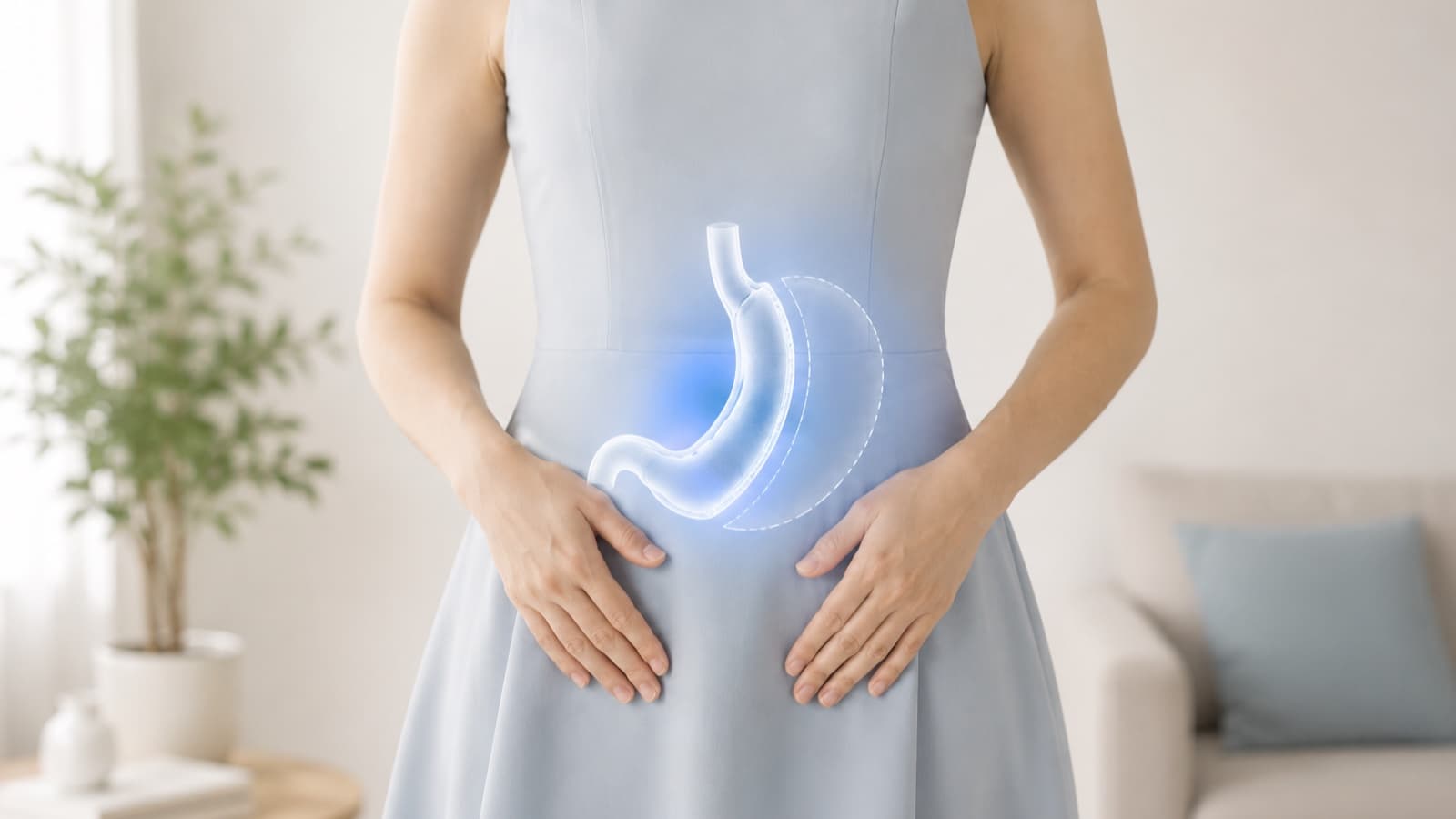
Mini gastric bypass (one anastomosis gastric bypass, OAGB) is a laparoscopic bariatric procedure in which the stomach is reshaped into a long tubular pouch along the lesser curvature, connected to the small intestine with a single anastomosis. It combines restrictive and malabsorptive features and is generally performed in a shorter operative time than Roux-en-Y bypass.
Medically reviewed by Assoc. Prof. Dr. Hasan Abuoğlu · June 21, 2026
Mini gastric bypass (one-anastomosis gastric bypass, OAGB) is a laparoscopic obesity surgery technique in which the stomach is transformed into a long tubular pouch along the lesser curvature, and this pouch is connected to the small intestine with a single anastomosis, combining both restrictive and malabsorptive features. The operation typically takes 60-90 minutes, and patients are usually discharged within 2-3 days. The fundamental difference from the standard Roux-en-Y gastric bypass is that it involves a single anastomosis instead of two; this difference reduces operative time and the risk of certain technical complications.
The mini gastric bypass technique was first described in 1997-1998 by American surgeon Dr. Robert Rutledge [3]. The International Federation for the Surgery of Obesity and Metabolic Disorders (IFSO) officially recognized OAGB as a standard bariatric surgical procedure in its 2018 consensus statement [2]. According to IFSO Global Registry data, OAGB is currently among the three most frequently performed bariatric surgical procedures worldwide [1].
The most common questions about this treatment
The main difference is the number of anastomoses. Roux-en-Y gastric bypass involves two anastomoses (gastrojejunostomy and jejunojejunostomy), while mini gastric bypass involves a single anastomosis. This difference shortens the operative time by about 30 minutes (60-90 min for OAGB, 90-120 min for RYGB) and reduces the frequency of some technical complications such as internal hernia. In mini bypass, the gastric pouch is long and tubular (15-20 cm), while in Roux-en-Y it is short and sac-like. Weight loss outcomes are largely similar in both procedures.
Theoretically, the risk of biliary reflux is higher in OAGB compared to Roux-en-Y because bile is anatomically closer to the gastric pouch. However, with current techniques using a long biliopancreatic limb and careful pouch construction, the clinically significant reflux rate drops to 1-5%. OAGB is generally not preferred in patients with severe preoperative reflux or Barrett's esophagus; Roux-en-Y is a more suitable option. In cases of persistent reflux, revision to Roux-en-Y may be considered [4].
OAGB is theoretically considered a reversible procedure; gastric continuity can be restored and the anastomosis can be taken down. However, reversal is rarely performed in clinical practice. The more commonly used path is revision to Roux-en-Y gastric bypass; this revision is an option particularly in cases of persistent biliary reflux, marginal ulcer, or malnutrition. Revision surgeries are technically more complex than the initial operation and should be performed in an experienced center.
Super-obese patients fall within the candidate profile considered for OAGB. Short operative time (reduced anesthesia exposure), strong malabsorptive effect achieved with a long biliopancreatic limb, and technical simplicity provide advantages in this group [4]. In these patients, the biliopancreatic limb is generally kept at 200 cm in length. However, the risk of complications increases in super-obesity with every procedure; multidisciplinary evaluation and the preoperative preparation period are decisive.
In the first 3 months, approximately 30-40% of the excess weight is lost, 50-60% by the 6th month, and 70-80% by the 12th month. By the end of the second year, weight loss reaches a plateau. Over the long term (2-5 years), 65-75% EWL is maintained; however, weight regain of 10-20% may occur. Permanence largely depends on the patient's adherence to eating habits, exercise routine, and follow-up visits. Regular supplementation, protein-focused nutrition, and 150 minutes of weekly aerobic exercise are key factors for long-term success.
Mini gastric bypass has a strong metabolic effect on type 2 diabetes. In the first year, the diabetes remission rate has been reported at levels reaching up to 80%, depending on disease duration and beta-cell reserve [4]. The effect stems not only from weight loss but also from the altered incretin (GLP-1, PYY) hormonal profile along the bypassed bowel segment. The effect may begin in the first days after surgery, before weight loss has fully occurred. Preservation of remission over the long term (5 years) depends on patient adherence and beta-cell reserve.
Supplementation is lifelong. The malabsorptive aspect of OAGB particularly reduces the absorption of B12, iron, calcium, and vitamin D. The standard protocol includes a daily bariatric multivitamin, calcium citrate 1200-1500 mg, vitamin D 2000-3000 IU, vitamin B12 (sublingual or monthly IM), and iron supplementation when necessary. Laboratory checks are repeated at 3, 6, and 12 months in the first year; at least once a year in subsequent years. Non-compliance with supplementation can lead to neurological findings (due to B12 deficiency) and osteoporosis [2][6].
Due to the rapid weight loss period, it is recommended that pregnancy not be planned for at least 12-18 months after surgery. This period is both for weight loss to reach the plateau stage and for the stabilization of nutrient-micronutrient status required for fetal development. In patients planning pregnancy, B12, folate, iron, and vitamin D levels are optimized before pregnancy. During pregnancy, multidisciplinary follow-up (obstetrics, nutrition, bariatric surgeon) is maintained. Healthy pregnancies following OAGB are widely reported in the literature.
The generally accepted age range is 18-65 years. However, the limits are not strict; in patients over 65 years of age, cardiopulmonary status, comorbidities, and general surgical risk are evaluated individually. Adolescent bariatric surgery (16-18 years) can be performed only in young patients with severe comorbidities and psychosocial readiness, in experienced centers. Age alone is not determinative; biological age, functional capacity, and comorbidity profile are more decisive.
In Turkey, bariatric surgery may be evaluated under SGK (Social Security Institution) coverage for patients who meet certain criteria. Generally, coverage may apply for BMI ≥ 40 (without comorbidity) or BMI ≥ 35 with an accompanying condition (such as type 2 diabetes, hypertension, sleep apnea) when failure of diet, exercise, and pharmacological treatment is documented. Current regulations and practice may change; the SGK approval process on a patient basis is conducted through the hospital's social services unit and physician evaluation. For payment conditions, direct consultation with the hospital or clinic is recommended.
For international patients, the typical process begins with an online video pre-consultation and medical file evaluation. Part of the endoscopy, laboratory tests, and necessary imaging can be completed by the patient in their own country; the final preoperative evaluation is performed in Istanbul. The total stay is typically 7-10 days (2-3 days in the hospital, 4-7 days for follow-up and post-discharge monitoring). After return, long-term follow-up is maintained through online check-up visits. Processes are conducted within the framework of the Ministry of Health international health tourism regulations.
Factors that determine long-term success are adherence to eating habits, regular exercise, continuity of vitamin-mineral supplementation, and participation in follow-up visits. Approximately 10-20% of patients may need revision in the long term due to significant weight regain, persistent biliary reflux, marginal ulcer, or malnutrition. The most common revision option is the conversion of OAGB to Roux-en-Y gastric bypass; thus, biliary reflux or malnutrition can be corrected. Revision surgery is technically more complex than the initial operation and should be performed in an experienced center after multidisciplinary evaluation.
Explore other bariatric surgery options
Mini gastric bypass is a hybrid bariatric surgical method that both reduces gastric volume (restrictive) and decreases nutrient absorption in part of the small intestine (malabsorptive). During the procedure, the stomach is divided with surgical stapler devices starting from the lesser curvature, creating a long tubular pouch approximately 15-20 cm in length and 60-120 mL in volume. This pouch is connected to the small intestine with a single anastomosis after bypassing a 150-200 cm biliopancreatic limb measured from the ligament of Treitz [4].
Two main mechanisms contribute to weight loss. The first is mechanical restriction: the reduced gastric pouch provides early satiety with less food intake. The second is the reduction of nutrient absorption along the bypassed small intestinal segment and the altered secretion profile of incretin hormones (GLP-1, PYY). This hormonal change regulates the hunger-satiety balance and exerts a weight-independent metabolic effect on type 2 diabetes [4].
In OAGB, the tubular pouch is long and narrow along the lesser curvature. This anatomy allows pressure within the pouch to distribute toward the anastomosis site. The pylorus is not preserved; food passes directly from the gastric pouch into the jejunum.
Bile and pancreatic enzymes are transported through the 150-200 cm segment called the biliopancreatic limb, but no food passes through this segment. Absorption occurs in the common channel after the anastomosis. The length of the bypassed segment is individualized according to the patient's body mass index: in super-obese patients with BMI ≥ 50, the limb length may be extended up to 200 cm to enhance the malabsorptive effect [4].
The anastomosis configuration, called the Omega loop (Ω-loop), is created by attaching the small intestinal limb to the pouch as a loop without transection. This technique shortens operative time and reduces the risk of bowel ischemia.
The most notable difference between the two procedures is the number of anastomoses. Roux-en-Y gastric bypass involves two anastomoses: gastrojejunostomy and jejunojejunostomy. OAGB has only gastrojejunostomy; the second anastomosis is not required [4].
The pouch structure also differs. In Roux-en-Y, the pouch is small and sac-like (20-30 mL); in OAGB, it is long and tubular (60-120 mL, 15-20 cm). This difference affects the reflux profile and food tolerability of the two procedures.
In terms of technical simplicity, OAGB has a shorter surgical learning curve. The average operative time is 90-120 minutes for Roux-en-Y compared to 60-90 minutes for OAGB. Fewer anastomoses reduce the risk of intraoperative leakage and the likelihood of internal hernia [4]. Biliary (bile) reflux risk, a debated topic, is theoretically higher in OAGB; however, a long biliopancreatic limb and careful pouch construction can significantly reduce this risk.
Mini gastric bypass is performed under general anesthesia using a fully laparoscopic approach. Through 4-5 small (5-12 mm) trocar incisions in the abdominal wall, a camera and surgical instruments are inserted. Conversion to open surgery is quite rare and usually required only in cases of extensive adhesions from prior abdominal surgery.
The surgery begins with pneumoperitoneum created by CO₂ gas, maintaining intra-abdominal pressure at 12-15 mmHg. The surgeon first evaluates the gastroesophageal junction (angle of His), then prepares to divide the stomach along the lesser curvature over a calibration tube (bougie, typically 36-40 French in diameter).
The stomach is divided with a stapler first horizontally from the level of the angularis incisura, then vertically toward the angle of His to form a long tubular structure. The stapler cartridges used both cut the stomach and close the cut lines with three rows of staples. The staple line may be reinforced with suture or buttressing material at the surgeon's discretion [4].
The pouch created is a long tubular structure, 15-20 cm in length and 60-120 mL in volume. The long pouch length creates a suitable configuration for an anastomosis performed at a point farther from the esophagogastric junction; this is one of the factors that reduces the risk of bile reflux.
The small intestine is measured from the ligament of Treitz, and the jejunum is identified at a distance of 150-200 cm. This distance is typically 150 cm in standard BMI patients and may be extended to 200 cm in super-obese patients. The anastomosis is performed in a side-to-side configuration using a linear stapler or with hand-sewn technique; the anastomosis opening is typically 2.5-3 cm wide. At the end of the operation, a leak test is confirmed with methylene blue or intraoperative endoscopy.
In an experienced team, OAGB typically takes 60-90 minutes. This is shorter than the average 90-120 minutes required for Roux-en-Y gastric bypass. Shorter operative time reduces anesthesia exposure and is particularly advantageous in patients with higher BMI [4].
The standard hospital stay is 2-3 days. On the first day, the patient is kept under close observation; mobilization begins within 6-8 hours. On the second day, a radiographic leak test with contrast may be performed, and clear liquid intake is started. Before discharge, the patient receives detailed information about the nutrition protocol, medication use, and early warning signs.
Mini gastric bypass is a surgical option considered for individuals with obesity who meet the bariatric surgery indications defined by the World Health Organization and IFSO guidelines [2][5]. In candidate selection, not only BMI but also comorbidities, eating habits, psychosocial status, and patient motivation are evaluated together. Multidisciplinary assessment (endocrinology, dietician, psychiatry, anesthesia) forms the basis of the candidate selection process.
The appropriate patient profile includes the following characteristics:
Individuals with a body mass index (BMI) ≥ 40 kg/m² and no comorbidities
Individuals with BMI between 35-40 kg/m² who have type 2 diabetes, hypertension, obstructive sleep apnea syndrome, hyperlipidemia, or obesity-related joint disease
In super-obesity (BMI ≥ 50), one of the options evaluated due to its technical simplicity and strong malabsorptive effect
Individuals who have been unable to achieve sustained weight loss despite diet, exercise, and pharmacological treatment
Patients who have completed psychological and medical evaluation for obesity surgery and are able to adhere to lifelong follow-up and dietary changes
The generally accepted age range is 18-65; individual assessment is required outside these limits
Situations constituting contraindications or requiring careful evaluation include:
Active severe gastroesophageal reflux disease (GERD) or Barrett's esophagus — Roux-en-Y is generally considered due to the reflux risk in OAGB
Uncontrolled psychiatric disorders and active substance dependence
Severe inflammatory bowel disease (Crohn's, ulcerative colitis)
Uncontrolled endocrine causes of obesity (treatable hormonal causes)
Advanced cardiopulmonary insufficiency that contraindicates surgery
Pregnancy or planned pregnancy in the near future (pregnancy is not recommended for at least 12-18 months after surgery)
Individuals unlikely to comply with lifelong vitamin-mineral supplementation
The preoperative preparation period generally lasts 2-4 weeks. During this period, detailed laboratory tests (complete blood count, biochemistry, thyroid function tests, HbA1c, B12, vitamin D, iron profile), upper gastrointestinal endoscopy, abdominal ultrasound, chest X-ray, and electrocardiography are performed. Helicobacter pylori infection, if detected on endoscopy, is eradicated before surgery.
Patients are directed to a low-calorie, liquid-predominant diet starting 2 weeks before surgery. This diet reduces liver size, improves the laparoscopic visual field, and enhances surgical safety. Patients who smoke are expected to quit at least 4 weeks before surgery; smoking impairs wound healing and increases the risk of marginal ulcer.
Anesthesia consultation, nutritional counseling, and psychological evaluation are completed during this period. The patient is given detailed information about postoperative nutrition stages, vitamin supplementation plan, and mobilization recommendations.
On the morning of surgery, the patient is admitted to the hospital fasting (generally ≥ 8 hours). Intravenous access is established; prophylactic antibiotics and thromboembolism prophylaxis (low molecular weight heparin, compression stockings, intermittent pneumatic compression) are administered. After intubation under general anesthesia, the patient is placed in the reverse Trendelenburg position.
Hemodynamic parameters, end-tidal CO₂, and body temperature are closely monitored throughout the operation. After verifying the surgical division and staple lines and completing the anastomosis leak test, the trocar sites are closed, and the patient is taken to the recovery room.
Within the first 6-8 hours after surgery, the patient is mobilized. In-bed leg movements, standing up, and short walks reduce the risk of deep vein thrombosis. Intravenous analgesics are used for pain control; non-steroidal anti-inflammatory drugs are generally avoided in the early period due to the risk of marginal ulcer.
On the second day, after confirming anastomotic safety through clinical findings and, if necessary, a contrast leak test, clear liquid intake is initiated. The average time to discharge is 2-3 days. For the initial period at home, a proton pump inhibitor (generally for 6 months), ursodeoxycholic acid (for gallstone prophylaxis for 6 months), multivitamin, and low molecular weight heparin are prescribed.
Weight loss after mini gastric bypass follows a predictable course. The excess weight loss percentage (%EWL) is the standard parameter used to measure the weight loss success of the surgery.
Rapid weight loss is observed in the first 3 months; most patients lose approximately 30-40% of their excess weight during this period. By the end of the sixth month, an average of 50-60% EWL is reached. By the twelfth month, the excess weight loss rate is around 70-80%. This rate is comparable to Roux-en-Y gastric bypass; randomized controlled trials such as YOMEGA have not found a marked difference in EWL between the two techniques, while some meta-analyses have reported a small advantage in favor of OAGB [4][5].
By the end of the second year, weight loss reaches a plateau; 65-75% EWL is generally maintained in 2-5 year follow-up. Over the long term, weight regain may be observed at a rate of 10-20%; eating habits, regular exercise, and follow-up visits are determinants in this process.
In terms of metabolic outcomes, OAGB has a strong effect, particularly on type 2 diabetes. Type 2 diabetes remission rates have been reported at levels reaching up to 80% in the first year, depending on the duration of the preoperative disease and beta-cell reserve [4]. Hypertension remission is 60-70%, hyperlipidemia improvement is 70-80%, and obstructive sleep apnea syndrome improvement approaches 80%. These outcomes are observed at levels equivalent to Roux-en-Y or slightly higher in some studies [4].
The first two weeks after discharge are the liquid nutrition period. Clear liquids, strained soups, lactose-free milk, and protein drinks are consumed slowly in small portions. A daily fluid intake of 1.5-2 liters is targeted; dehydration is the most common side effect of the early period.
Light walks are encouraged from the first day. Walking 4-6 times a day for 10-15 minutes supports mobilization and reduces the risk of thromboembolic complications. Heavy lifting (over 5 kg), severe waist movements, and exercises that strain the abdominal muscles are not recommended during this period.
Most patients working in desk jobs can return to partial work within 10-14 days. In occupations requiring physical labor, this period extends to 4-6 weeks.
By the end of the first month, pureed nutrition is introduced; in the second and third months, a gradual transition is made to soft solid foods and then to normal consistency. An intake of 20-30 grams of protein per meal is targeted; portions are initially 100-150 mL and gradually increase. No fluids are consumed during meals; fluid intake is done 30 minutes before or 30 minutes after meals.
Return to moderate exercise is possible during this period. Brisk walking, swimming, stationary cycling, and light resistance exercises are recommended. Heavy resistance training and high-impact sports are avoided before 6-8 weeks after surgery.
Control visits are performed at 1 month, 3 months, and 6 months; laboratory parameters are regularly monitored. Temporary hair loss may be observed between 3-6 months; it resolves spontaneously with adequate protein intake and micronutrient supplementation.
Full recovery typically occurs within 4-6 weeks. Incision healing is complete, intra-abdominal pressure returns to normal, and the patient can fully return to daily activities. High-impact sports, weight lifting, and contact sports can be gradually started at 8-12 weeks with the surgeon's approval.
From the sixth month onwards, a combination of cardiovascular exercise and resistance training is recommended. At least 150 minutes of moderate-intensity aerobic exercise per week and 2-3 days of resistance training support both weight loss and preservation of lean muscle mass. Exercise is one of the strongest determinants of long-term weight loss sustainability.
The nutrition plan is structured in four stages. The first stage covers the 1st-2nd weeks as the clear/full liquid period; water, herbal tea, protein drinks, and strained soups are included. The second stage is the puree period in the 3rd-4th weeks; yogurt, mashed fruit, boiled soft vegetable purees, and finely chopped chicken-fish purees are preferred.
The third stage is the soft solid period in the 5th-8th weeks; soft boiled eggs, fish, chicken, mature cheese varieties, and softly cooked vegetables can be consumed. The fourth stage is gradual normal nutrition from the 8th week onwards; however, portions remain permanently small, and tolerance to certain foods varies individually.
Throughout the transition process, each meal should be eaten slowly (20-30 minutes), and each bite should be chewed thoroughly. Portions are served in small bowls or small plates; this visually supports portion control.
The dietary rules that will continue for life after surgery are as follows:
Protein-priority nutrition — 60-80 grams of protein per day are targeted, each meal starts with protein
Avoidance of simple sugar, refined carbohydrates, and high-fat processed foods — may trigger dumping syndrome
At least 1.5-2 liters of fluid intake per day, but between meals rather than during
Limited alcohol consumption or complete avoidance — absorption changes, tolerability decreases
Permanent cessation of smoking — reduces the risk of marginal ulcer
Keeping caffeine consumption within reasonable limits (≤ 300 mg per day)
Avoiding carbonated beverages — may expand the gastric pouch, cause discomfort
The malabsorptive aspect of OAGB reduces the absorption of certain vitamins and minerals; therefore, lifelong supplementation and regular blood tests are essential. The standard supplementation protocol includes the following components:
Daily bariatric multivitamin (typically 2 tablets)
Elemental calcium 1200-1500 mg/day (in calcium citrate form, in divided doses)
Vitamin D 2000-3000 IU/day
Vitamin B12 (500 µg/day sublingual or 1000 µg monthly intramuscular)
Folic acid 400 µg/day
Iron 45-60 mg/day (particularly in menstruating women)
Thiamine (B1) supplementation when needed
Laboratory checks are repeated at 3rd, 6th, and 12th months in the first year; then at least once a year. Doses are individualized when deficiencies are detected [2][6].
Like any surgical procedure, mini gastric bypass carries certain risks and complications. Recent meta-analyses have reported the general complication rate of OAGB as 5-10% and the major complication rate as 2-4% [4].
Early-period complications include anastomotic leak (1-2%), bleeding (1-3%), pulmonary embolism (0.2-0.5%), and wound infection. The fact that OAGB contains only a single anastomosis relatively reduces the risk of anastomotic leak compared to Roux-en-Y.
Late-period complications cover a broader spectrum:
Biliary (bile) reflux — the most debated long-term complication of OAGB. Theoretically, bile may reflux into the pouch; however, with a long biliopancreatic limb and appropriate anastomotic technique, the clinically significant reflux rate drops to 1-5%. In cases of persistent reflux, revision to Roux-en-Y may be considered [4].
Marginal ulcer — develops at the anastomosis line; frequency 2-6%. Smoking, use of non-steroidal anti-inflammatory drugs, and Helicobacter pylori are the main risk factors. The risk is reduced with proton pump inhibitor prophylaxis.
Vitamin B12 deficiency — may reach 20-30% in patients non-compliant with supplementation; can be detected by laboratory testing before neurological symptoms emerge.
Iron deficiency anemia — common particularly in menstruating women; can be prevented with supplementation.
Dumping syndrome — sweating, palpitations, fatigue after simple sugar consumption; managed with dietary adjustment.
Gallstone formation — increases during the rapid weight loss period; ursodeoxycholic acid prophylaxis is recommended for 6 months.
Protein-energy malnutrition — rare; occurs in long limbs and patients non-compliant with follow-up.
Weight regain — at a rate of 10-20% within 2-5 years after surgery; nutritional and exercise adherence are determinants.
The patient's individual risk profile regarding biliary reflux and marginal ulcer is evaluated preoperatively, and this evaluation plays a decisive role in technique selection.
OAGB and Roux-en-Y gastric bypass (RYGB) are the two main bypass procedures in bariatric surgery; both have strengths and limitations. Current literature evaluates the two techniques as "complementary" rather than "competing"; patient selection is decisive [4].
Technically, OAGB is a simpler and shorter operation. The advantages of a single anastomosis, less stapler usage, and an average 30-minute time savings are evident even in experienced centers. Because the learning curve is short, surgical standardization is faster.
In terms of weight loss, the two procedures produce largely similar results. The YOMEGA randomized controlled trial did not find a marked difference in EWL between the two techniques over 2-year follow-up; some meta-analyses have reported a small advantage in favor of OAGB [4]. Type 2 diabetes remission rates are also at comparable levels; some studies report slightly higher remission in OAGB.
Differences in complication profile are notable:
The risk of early-period anastomotic leak is relatively lower in OAGB (single anastomosis advantage)
Internal hernia risk is markedly lower in OAGB; Petersen's defect is the classical risk area in RYGB
Biliary reflux risk is higher in OAGB; due to the anatomical configuration in RYGB, bile reflux is very rare
Marginal ulcer frequency is similar in both procedures (2-6%)
Dumping syndrome is more common in RYGB, comparatively less frequent in OAGB
Technique selection according to patient profile can be summarized as follows: in patients with active, severe gastroesophageal reflux or Barrett's esophagus, RYGB is prioritized; in super-obese patients (BMI ≥ 50), OAGB may be evaluated due to the advantage of shorter operative time and strong malabsorptive effect [4]. In patients with prior abdominal surgery and expected adhesions, OAGB may be an option due to its technical simplicity. There is no definitive "better technique"; the appropriate technique is determined on a patient-by-patient basis through multidisciplinary evaluation.
Assoc. Prof. Dr. Hasan Abuoğlu is a General Surgeon practicing in Istanbul in the field of bariatric and metabolic surgery, with over 25 years of surgical experience and a background of more than 10,000 laparoscopic operations. As a member of the Turkish Society of Bariatric and Metabolic Surgery (TBMCD) and IFSO, he closely follows current guidelines and scientific literature; this knowledge is regularly reflected in clinical practice [6].
A multidisciplinary approach is essential in patient selection. Each patient is evaluated individually together with specialists from the fields of endocrinology, cardiology, nutrition, and psychology. OAGB is one of the bariatric options considered in the appropriate candidate profile; comparative evaluation with Roux-en-Y gastric bypass, sleeve gastrectomy, and other bariatric-metabolic procedures is made on a patient-specific basis. The patient's BMI value, comorbidities, reflux history, previous surgeries, eating habits, and personal expectations are addressed together in the selection process.
The postoperative follow-up period lasts at least five years. Regular check-ups are performed at 1, 3, 6, and 12 months in the first year; annually in subsequent years. Nutrition, vitamin-mineral status, weight loss curve, and metabolic parameters are evaluated at each visit.
In any surgical or interventional procedure, results may vary from person to person. It is recommended to obtain detailed information from your physician before the procedure. This content is for informational purposes only and does not substitute for individual medical advice. Treatment decisions should be made only after specialist physician evaluation.
[1] IFSO Global Registry Report 2023 — https://www.ifso.com/ifso-registry/
[2] IFSO Position Statement on One-Anastomosis Gastric Bypass (2018) — https://www.ifso.com/position-statements/
[3] Rutledge R. The mini-gastric bypass: experience with the first 1,274 cases. Obes Surg. 2001;11(3):276-80 — https://pubmed.ncbi.nlm.nih.gov/11433900/
[4] Magouliotis DE et al. One-Anastomosis Gastric Bypass vs Roux-en-Y Gastric Bypass: Meta-analysis — https://pubmed.ncbi.nlm.nih.gov/
[5] Robert M et al., YOMEGA Trial — Efficacy and safety of OAGB vs Roux-en-Y (Lancet 2019) — https://pubmed.ncbi.nlm.nih.gov/30851879/
[6] Turkish Society of Bariatric and Metabolic Surgery — https://www.tbmcd.org.tr/
[7] World Health Organization — Obesity and Overweight Fact Sheet — https://www.who.int/news-room/fact-sheets/detail/obesity-and-overweight
For detailed information about bariatric and metabolic surgery procedures, you may use the contact channels below. Initial consultations for international patients can be arranged remotely via video call or WhatsApp.

Assoc. Prof. Dr. Hasan Abuoğlu
Associate Professor of General Surgery