Loading...
Loading...
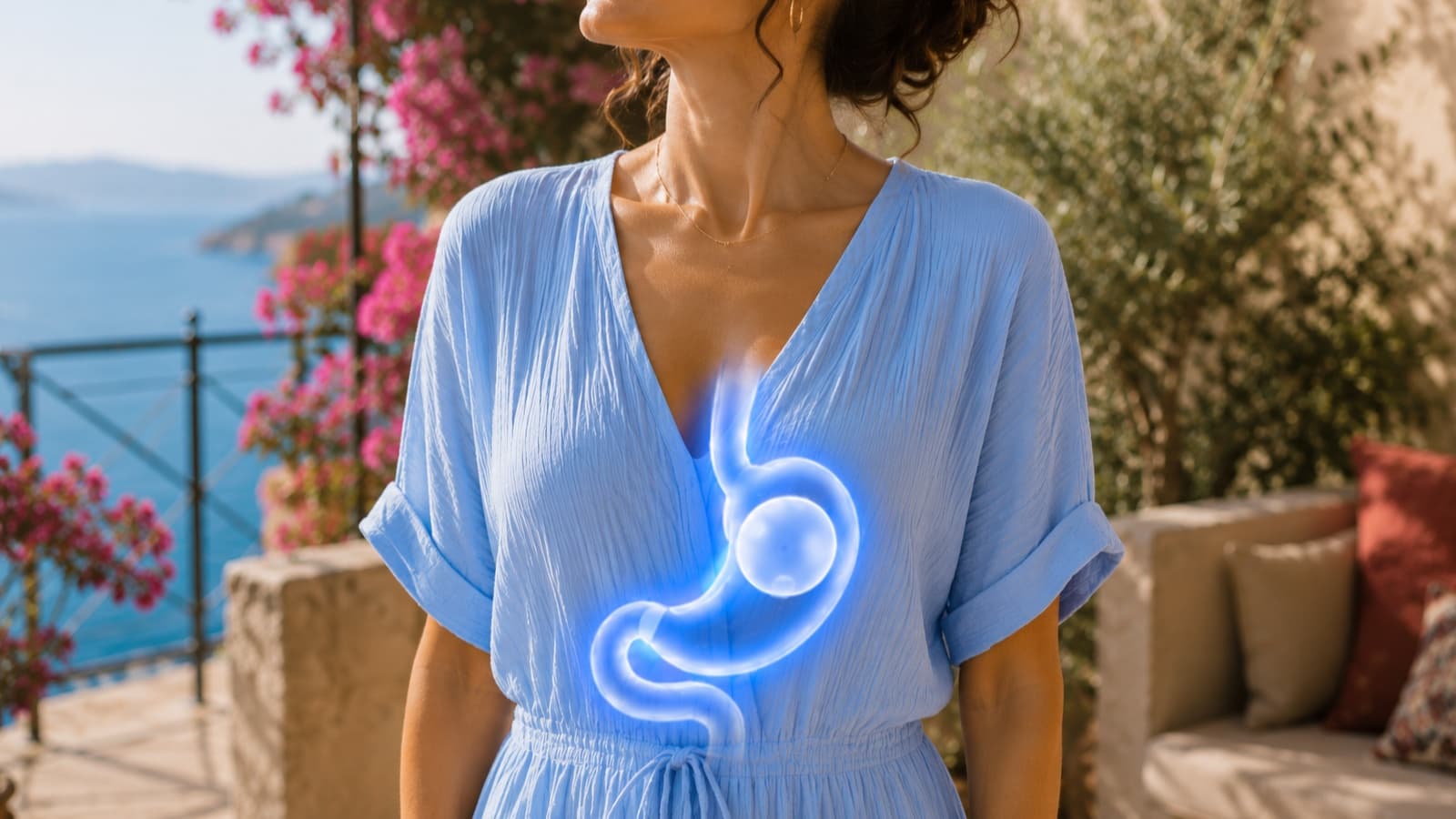
The swallowable gastric balloon is an obesity treatment method that does not require endoscopy or anaesthesia. Taken orally in capsule form, it is inflated in the stomach with 550 mL of distilled water to create a feeling of satiety for approximately 16 weeks, after which it self-deflates and is eliminated from the body through the digestive tract.
Medically reviewed by Assoc. Prof. Dr. Hasan Abuoğlu · May 1, 2026
The swallowable gastric balloon is a capsule-form medical device that is swallowed orally, filled with 550 mL of distilled water inside the stomach, and remains in place for approximately 16 weeks to support satiety; at the end of this period, it deflates on its own and is naturally passed through the digestive tract, requiring neither endoscopy nor anesthesia at any stage. Internationally, this device is known as the Allurion Balloon (formerly Elipse Balloon). It belongs to the intragastric balloon family, but its defining difference is that both placement and removal occur without endoscopic intervention. The patient swallows the capsule with a glass of water; the balloon is inflated through a thin attached catheter, and at the end of the treatment period, the balloon self-deflates and is naturally eliminated via the small and large intestine.
The most common questions about this treatment
The swallowable gastric balloon is a medical device in capsule form that is swallowed orally and inflated with 550 mL of distilled water in the stomach, where it remains for approximately 16 weeks. By occupying around 60% of gastric volume, it produces early satiety, slows gastric emptying, and suppresses the secretion of ghrelin, the hunger hormone. Together, these three mechanisms facilitate reduced caloric intake. The process does not depend solely on the balloon's physical presence; its functioning is supported by concurrent nutrition, exercise, and behavioral modification protocols. At the end of the treatment period, the balloon deflates via its own valve and is eliminated naturally, requiring no second procedure.
The capsule is comparable in size to a standard vitamin capsule and is swallowed with a glass of water. Most patients swallow it without difficulty on the first attempt. For the small number of patients who need a brief adjustment period, positional adjustment and breathing guidance can facilitate the process. No sedation or anesthesia is used during swallowing — the patient remains fully conscious. The thin, soft catheter attached to the capsule may produce a minimal sensation in the throat but is not painful. The step itself takes only a few minutes. In patients with a history of dysphagia or significant anxiety, this is evaluated in detail during the preliminary consultation.
No. The defining feature of the swallowable gastric balloon is that it requires neither endoscopy nor anesthesia — at either placement or removal. The patient swallows the capsule orally; the device's gastric position is confirmed via imaging methods such as fluoroscopy, and 550 mL of water is delivered through the catheter to inflate the balloon. At the end of the treatment period, the balloon self-deflates and is eliminated through the intestine, with no second procedure needed. This property represents the fundamental distinction from classical endoscopic gastric balloons and positions the swallowable balloon as a low-procedural-burden option within obesity management.
International literature reports an average total body weight loss of 10-13% and excess weight loss of 40-50% at 16 weeks [3]. However, these figures are averages derived from large patient cohorts; individual outcomes depend on numerous variables, including baseline BMI, dietary adherence, physical activity level, metabolic profile, and psychological engagement. Weight loss typically proceeds most rapidly between weeks 2 and 10 and naturally slows thereafter. No outcome is guaranteed; structured follow-up throughout the process is therefore critical.
The swallowable balloon is designed to remain in the stomach for approximately 16 weeks. Around week 15, the valve opens spontaneously and the 550 mL of internal fluid is released in a controlled manner. After the balloon deflates and shrinks, it passes through the small and large intestine via peristalsis during weeks 16-17 and is eliminated naturally. This process typically goes unnoticed by the patient. Considering that classical endoscopic balloons remain in the stomach for 6-12 months, the 16-week duration is among the distinguishing features of the swallowable balloon.
Around week 16, the balloon's one-way valve self-opens. When the valve opens, the mixture of distilled water and methylene blue empties into the stomach. Minimal systemic absorption of methylene blue may cause urine to take on a blue or greenish tint — this is the expected sign that the balloon has entered its scheduled deflation phase. The deflated balloon membrane then moves through the large intestine via peristalsis and is eliminated naturally through stool. Most patients do not notice the passage. In rare cases, a deflated balloon may lodge in the intestine; endoscopic or surgical intervention may be required in such very rare situations.
The procedure is not painful and does not require anesthesia or sedation. Mild throat discomfort and a minimal pressure sensation from the catheter may occur during capsule swallowing. Once the balloon is inflated, a sense of gastric fullness develops — this is not pain but the onset of a new mechanical stimulus. No hospital stay is required. Total clinic time, including observation, averages 60-90 minutes. The patient returns home the same day and may resume light activities the following day. Nausea and abdominal cramping during the first 48-72 hours are common and are largely controlled by the prescribed medications (antiemetic, PPI, antispasmodic).
The first 48-72 hours represent the most challenging part of the process. Nausea (30-40%), intermittent vomiting, abdominal cramping (20-30%), reflux (15-20%), halitosis, and reduced appetite are common. These findings are a natural part of the stomach's adaptation to the new mechanical stimulus and are largely transient. The standard protocol includes a triple medication regimen: an antiemetic (for nausea), a proton pump inhibitor (for reflux and gastric acid), and an antispasmodic (to reduce cramping). Approximately 80-90% of patients report a significant reduction in symptoms within 3-5 days. If symptoms persist longer than expected or become severe, medical evaluation is needed.
In patients for whom surgical obesity treatments (sleeve gastrectomy, gastric bypass) are medically indicated, the swallowable balloon is not positioned as a replacement for surgery. Surgery is typically recommended for patients with BMI 40 or higher, or BMI 35 or higher with significant comorbidities; expected weight loss and metabolic impact are significantly greater compared to the swallowable balloon [2]. The swallowable balloon is intended for patients with BMI between 27 and 40, who either decline or are not suitable for surgery, as a structural adjunct to medical treatment. The two methods are not alternatives to one another but tools with different roles across different indication ranges.
Weight maintenance after balloon elimination is the most decisive part of the overall process. Patients who continue the dietary habits developed during the active phase, maintain their weekly physical activity, and participate in the structured follow-up program demonstrate higher maintenance rates. Conversely, patients who return to prior eating patterns after balloon elimination may experience significant weight regain. For this reason, a structured 6-month behavioral support program is considered integral to the balloon process. The balloon is only a tool; behavioral continuity is the main determinant of long-term outcomes.
Yes, in selected patients, sequential balloon use is clinically feasible. Typically at least 6 months after the first balloon has been eliminated, if the patient has not reached the target weight or requires additional support during the maintenance phase, a second balloon may be considered. This decision is based on the response to the first balloon, patient motivation, comorbidities, and dietary adherence. Sequential balloon use is not an automatic option but a component of individualized treatment planning. The decision to repeat the procedure should be based on detailed clinical assessment.
In Turkey, the swallowable gastric balloon is generally not included in the reimbursement list of the Social Security Institution (SGK) Health Implementation Communiqué (SUT); it is treated as an elective procedure and is also not covered by most private insurance policies. Some private health insurance policies explicitly exclude obesity treatment; others may provide partial coverage above defined BMI thresholds. Reimbursement status varies between policies; patients are advised to confirm current coverage directly with their insurance provider.
For international patients, the process begins with remote preliminary evaluation. Existing medical records (blood tests, imaging, medication list, comorbidities), BMI, weight history, and previously attempted treatments are reviewed. Once preliminary eligibility is confirmed, the clinical visit is planned. A typical program includes: Day 1 — comprehensive examination and final laboratory checks; Day 2 — balloon placement and same-day discharge; Days 3-4 — clinical observation and adaptation follow-up. Typical on-site stay is 4-5 days. After returning to their home country, the patient's follow-up continues through telehealth consultations, digital nutrition logging, weight tracking, and periodic video consultations. Balloon elimination generally occurs while the patient is in their home country and is supported remotely.
The clearest indicator that the balloon has entered its scheduled deflation phase is a blue or greenish tint in urine. This is the result of systemic passage of methylene blue from the balloon's fluid, typically observed around weeks 15-16. Mild abdominal cramping, transient nausea, and a noticeable reduction in the sense of fullness may also indicate that the balloon is in its deflation phase. If this urine color change appears before week 16, early deflation should be suspected and medical evaluation should be sought promptly. After week 16, the color change is expected; the deflated balloon is typically eliminated via stool over the following days. A clinical visit is scheduled during this phase, and the process is concluded with post-elimination assessment.
Explore other bariatric surgery options
Clinically, the swallowable balloon is positioned as a reversible, short-duration treatment tool for adults within the BMI range of 27-40 kg/m² who present with mild-to-moderate obesity and who either decline or are not eligible for bariatric surgery. According to multicenter international data, the average total body weight loss (TBWL) at 16 weeks is reported at 10-13%, with excess weight loss (EWL) in the 40-50% range; however, these are averages reported in large patient cohorts, and individual outcomes vary [3]. The 2022 joint guideline published by ASMBS (American Society for Metabolic and Bariatric Surgery) and IFSO (International Federation for the Surgery of Obesity and Metabolic Disorders) includes intragastric balloons within the broader framework of medical obesity management [2]. The target population consists of individuals who have not achieved sustainable results through long-term diet and exercise, who wish to avoid surgical intervention, who are motivated toward lifestyle modification, and who are open to structured multidisciplinary follow-up. The balloon is not a standalone solution — it is a mechanical and hormonal adjunct within a structured treatment process.
The swallowable gastric balloon is a medical device constructed from a polymer-based membrane, designed as a capsule that contains 550 mL of distilled water and a trace amount of methylene blue (a safety marker that helps detect early deflation via urine color change). Once inflated inside the stomach, the balloon occupies a significant portion of the gastric volume for approximately 16 weeks, producing early satiety. At the end of the treatment period, a self-releasing valve opens, the internal fluid drains, and the deflated membrane is passed naturally through peristalsis. By design, the device operates on three mechanisms: a mechanical satiety stimulus, a hormonal appetite modulator, and a behavioral feedback tool, all of which contribute to the weight loss process.
The swallowable balloon is often confused with earlier-generation intragastric balloons (silicone, fluid- or air-filled endoscopic balloons). Four key clinical distinctions separate them:
No endoscopy for placement. The patient swallows the capsule with water, and the device reaches the stomach through natural passage.
No anesthesia or sedation. Classical endoscopic balloons are typically placed and removed under sedation; the swallowable balloon procedure is performed while the patient is fully awake and ambulatory.
No hospital stay. The procedure is completed in 20-30 minutes at the clinic, and the patient returns to daily life the same day.
No second endoscopy for removal. The balloon self-deflates around week 16 and is naturally eliminated through the intestine.
In addition, the intragastric dwell time differs: classical endoscopic balloons typically remain in place for 6-12 months depending on type, while the swallowable balloon remains for 16 weeks. These two options are not interchangeable; the clinical decision depends on patient profile, individual preference, and targeted weight loss range.
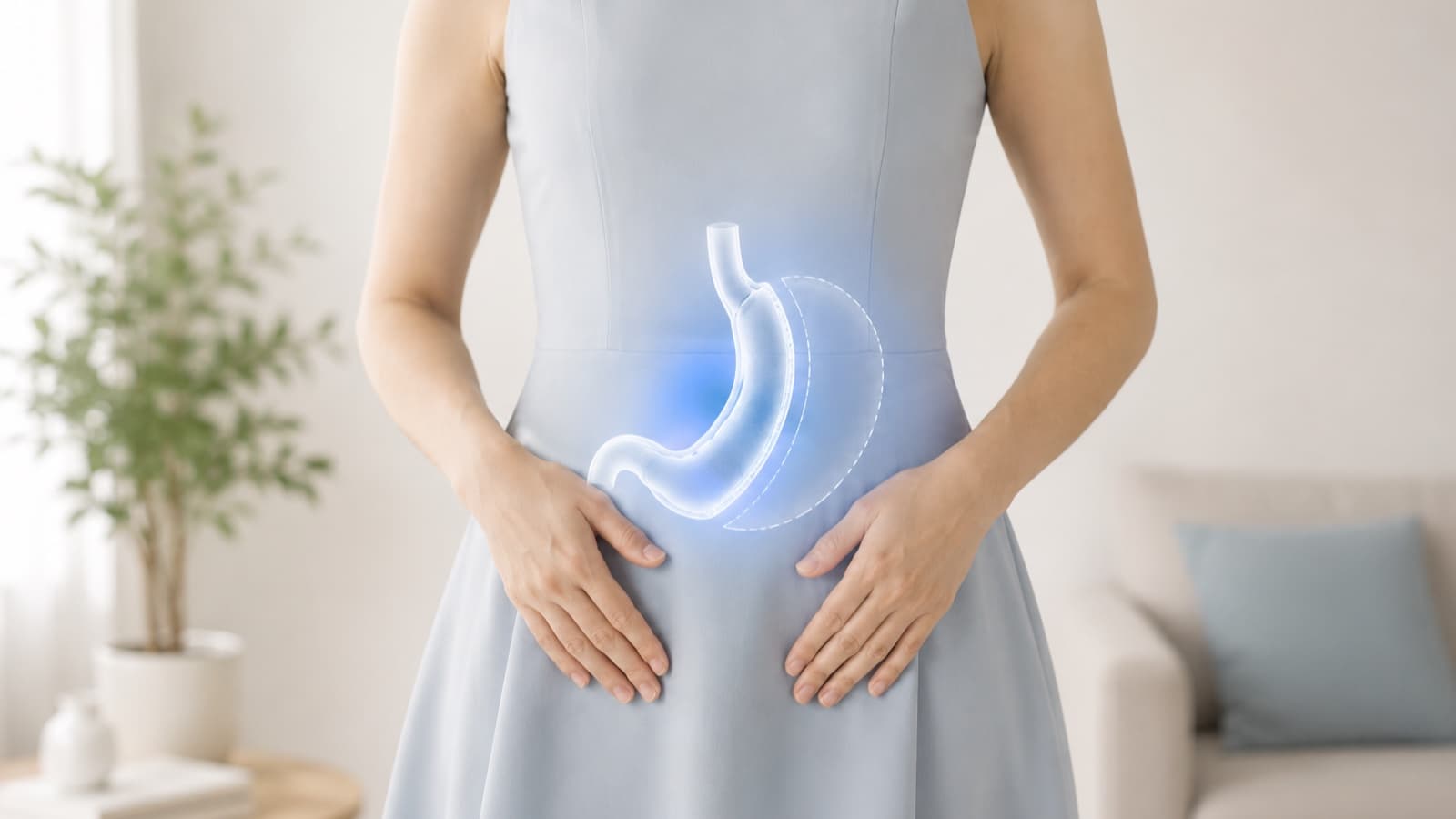
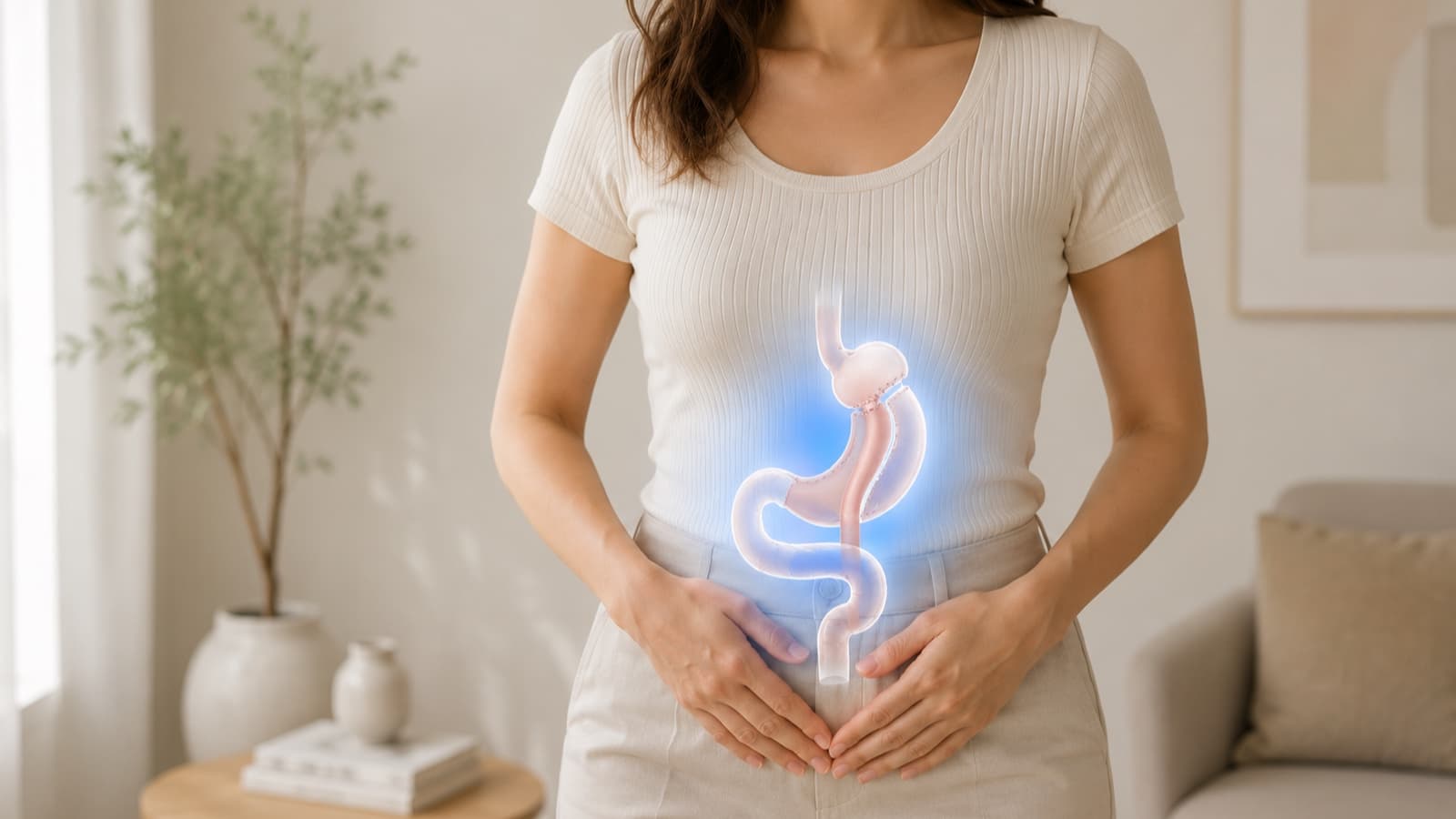
When inflated, the balloon occupies space primarily in the fundus and corpus regions of the stomach, filling approximately 60% of gastric volume. This engages three physiological mechanisms. First, mechanical stretch receptors are activated, producing early satiety. Second, gastric emptying is delayed, prolonging the sense of fullness after meals. Third, ghrelin (the hunger hormone) secretion from the fundus is suppressed, reducing appetite directly. Together, these effects demonstrate that the intragastric balloon is not merely a mechanical filler but also a measurable physiological intervention [4].
A predictable, structured lifecycle directly supports patient adherence. The 16-week course unfolds as follows:
Day 0: Capsule is swallowed, position is confirmed, and the balloon is inflated with 550 mL of distilled water.
Weeks 1-2: Adaptation phase; transient symptoms such as nausea, cramping, and reflux are managed with medication.
Weeks 2-14: Active weight loss phase; nutrition protocol, physical activity plan, and behavioral follow-up are decisive.
Weeks 15-16: The balloon begins to self-deflate via its one-way valve.
Weeks 16-17: The deflated balloon passes through the small and large intestine via peristalsis and is eliminated naturally.
The swallowable gastric balloon procedure consists of five standardized steps.
Comprehensive medical evaluation is performed prior to the procedure. Baseline blood work, fasting glucose, HbA1c, lipid profile, liver and kidney function tests, and thyroid function tests are obtained. If the patient presents with significant gastrointestinal complaints (chronic reflux, epigastric pain, or suspected prior gastric surgery), upper gastrointestinal endoscopy may be scheduled; however, routine endoscopy is not required. Consultations with a dietitian and clinical psychologist are structured components to assess eating behavior patterns and motivation. Body composition analysis (bioelectrical impedance), BMI, waist circumference, and mapping of comorbid metabolic conditions are completed at this stage.
At the clinic, on an empty stomach and in a seated position, the patient swallows the capsule with a glass of water. A thin, soft catheter attached to the capsule extends externally through the esophagus. Confirmation of capsule position in the stomach is performed via fluoroscopy (low-dose radiographic imaging) or pressure/position verification. In some patients, capsule swallowing may require a brief adjustment period; the device's dimensions are comparable to a standard vitamin capsule. No sedation is applied during swallowing — the patient remains fully conscious and communicative.
Once position is confirmed, 550 mL of distilled water is delivered through the catheter to inflate the balloon. A trace amount of methylene blue is added to the fluid; in the event of early deflation, a urine color change (blue/green) provides early clinical warning. Once the target volume is reached, the catheter is gently withdrawn; the balloon's one-way valve seals automatically. Inflation takes a few minutes, and the total clinic procedure time is approximately 20-30 minutes.
Following the procedure, the patient is observed for 20-30 minutes; vital signs, early nausea, and any discomfort are monitored. If no issues arise, the patient is discharged the same day. No hospital admission or overnight stay is required. Total clinic time, including preparation and observation, averages 60-90 minutes. Written guidance covering the 48-72 hour adaptation period, medications, fluid intake, and dietary transition is provided before discharge.
The stomach's response to the new mechanical stimulus may produce nausea, intermittent vomiting, abdominal cramping, and mild reflux. This is an expected adaptation reaction. The standard protocol includes a triple medication regimen: an antiemetic (for nausea), a proton pump inhibitor or PPI (for gastric acid control and reflux), and an antispasmodic (for cramping). Approximately 80-90% of patients report significant symptom improvement within 3-5 days.
The swallowable gastric balloon is not recommended for every individual with weight concerns; it is intended for a specific clinical profile. The suitable candidate profile includes:
Individuals with BMI between 27 and 40 kg/m² (mild-to-moderate obesity)
Patients who decline surgical obesity treatment or are not surgical candidates
Patients who have not responded adequately to medical pharmacotherapy or who prefer not to commit to long-term medication
Individuals motivated and open to lifestyle modification (nutrition, exercise, behavioral follow-up)
Patients who accept multidisciplinary support (physician, dietitian, psychologist) as part of the process
In selected cases, the balloon may be considered as a bridging option prior to bariatric surgery — this is not the primary indication but is recognized in the literature
Situations in which the swallowable balloon should not be used include:
Pregnancy or breastfeeding
History of prior gastric or esophageal surgery
Large hiatal hernia (> 5 cm)
Active peptic ulcer or erosive gastritis
Severe gastroesophageal reflux disease (Los Angeles grade C or D esophagitis)
Known coagulopathy or anticoagulant therapy requirement
History of eating disorders (bulimia nervosa, binge eating disorder)
Unstable psychiatric condition
Chronic steroid or high-dose NSAID use
Known allergy to balloon material or contents
Severe hepatic, renal, or cardiac insufficiency
Individuals who answer "yes" to three or more of the following questions may consider consultation with a bariatric and metabolic surgery specialist:
Is your BMI between 27 and 40 kg/m²?
Have you been unable to achieve sustained results through diet and exercise over the past 6 months or longer?
Do you prefer to avoid surgical obesity treatment, or are you not a candidate for it?
Are you genuinely ready for lifestyle modification?
Are you open to receiving dietitian and psychologist support throughout the process?
This self-evaluation is not a diagnostic tool; it is intended only as a preliminary guide toward specialist consultation.
The swallowable gastric balloon is a tool. Outcomes depend on the combination of appropriate nutrition, structured physical activity, and behavioral modification. The physical presence of the balloon facilitates satiety, but sustained weight management is only possible through long-term habit change.
During this phase, the stomach adjusts to the new mechanical stimulus. Nutrition follows a gradual progression: clear fluids (water, unsweetened herbal teas, clear broths) → full liquids (ayran, unsweetened yogurt drinks, protein-based beverages) → puréed foods. Daily fluid target is 1.5-2 liters, taken in slow, small sips. Protein target during adaptation is around 60 grams per day. Carbonated drinks, alcohol, and caffeine may not be well tolerated during this phase.
This is the active weight loss phase. A plan of three main meals and two snacks is implemented. Protein is prioritized with a target of 80 grams per day (fish, poultry, eggs, cottage cheese, legumes, yogurt). Simple sugars, refined flours, high glycemic index foods, and heavily processed items are minimized. Fluid intake is spaced 30 minutes before or 30 minutes after meals. At least 150 minutes of moderate-intensity aerobic activity per week and 2 days of resistance exercise are recommended. Dietitian follow-up is typically scheduled every 2-4 weeks.
This is the phase during which the balloon begins to release its contents through its valve. Mild abdominal cramping, transient nausea, and a blue or greenish tint in urine may be observed. The urine color change is the result of methylene blue entering systemic circulation and is the expected signal of scheduled deflation. However, if this color change appears before week 16, early deflation should be suspected and medical evaluation sought promptly.
The first 6 months following balloon elimination is a critical window for consolidating behavioral gains. A structured 12-month follow-up program is recommended, including monthly dietitian visits, physician evaluation every 3 months, and psychological support as needed. Literature suggests that the consistency of behavioral change during this post-balloon phase directly shapes weight maintenance at the 12-month mark [4].
Outcomes vary meaningfully between individuals; the figures below represent averages from large patient cohorts and do not constitute a guarantee of individual results.
International multicenter and meta-analysis data outline the following profile [3][4]:
Average total body weight loss (TBWL) at 16 weeks: 10-13%
Average excess weight loss (EWL): 40-50%
Average BMI reduction: 3.5-5 points
Subgroup with the strongest reported response: patients within the BMI 30-35 range
These outcomes correlate directly with patient motivation, dietary adherence, exercise consistency, and the intensity of multidisciplinary follow-up.
Clinical studies at the 16-week mark have reported average HbA1c reductions of 0.5-1.0 points, meaningful decreases in total cholesterol and triglycerides, mild but statistically significant blood pressure improvement, and reductions in hepatic transaminases (ALT, AST) [4]. Imaging-confirmed improvements in non-alcoholic fatty liver disease (NAFLD) findings have also been documented. In patients with type 2 diabetes, the balloon may support glycemic control but does not, on its own, induce diabetes remission.
Literature indicates that a portion of the weight lost during the balloon phase can be maintained at 12 months; however, the maintenance rate correlates directly with dietary continuity, weekly physical activity, and ongoing behavioral follow-up [3]. Patients who continue participation in the structured post-balloon program demonstrate higher maintenance rates.
As with any procedural intervention, the swallowable gastric balloon has a defined risk profile. The majority are transient and manageable; a minority are rare but clinically important.
Nausea and vomiting: observed in approximately 30-40% of patients; typically resolves within 3-7 days with antiemetic therapy
Abdominal cramping and discomfort: 20-30%
Gastroesophageal reflux and heartburn: 15-20%; responds well to PPI therapy
Halitosis: variable frequency
Transient loss of appetite and fatigue
These findings represent manageable adaptation reactions and can typically be addressed without balloon removal.
Intermittent reflux and regurgitation
Constipation (secondary to increased protein intake and reduced food volume)
Intermittent epigastric discomfort
Late-onset nausea episodes (often secondary to dietary errors)
Early deflation: deflation prior to week 16; detected via urine color change (blue/green). Prompt medical evaluation is required
Balloon migration and obstruction: very rare; a deflated balloon may lodge in the intestine, potentially requiring endoscopic or surgical intervention
Gastric ulcer and erosion: may develop with prolonged mucosal contact and poor medication adherence
Esophagitis: in patients with severe or treatment-resistant reflux
Acute pancreatitis: very rare; may relate to balloon position
Aspiration: associated with severe vomiting episodes when not appropriately managed
The standard follow-up program includes clinical visits at weeks 1, 4, 8, 12, and 16. Each visit evaluates weight, waist circumference, body composition, symptom burden, and dietary adherence. Endocrinology, gastroenterology, and psychology consultations are arranged as clinically indicated.
No single treatment option is universally appropriate in obesity management. The patient's BMI, comorbidities, surgical eligibility, motivation, and lifestyle preferences all shape the decision. The following comparisons are intended as general orientation; individualized treatment decisions must be made after physician evaluation.
Classical endoscopic intragastric balloons are placed under sedation with endoscopic guidance and typically remain in the stomach for 6-12 months depending on type; a second endoscopic procedure is required for removal. The swallowable balloon requires neither endoscopy nor anesthesia, remains for 16 weeks, and self-eliminates. In circumstances where sedation and endoscopy are undesired, or where same-day recovery is a priority, the swallowable balloon offers practical advantages. Classical balloons, on the other hand, offer longer intragastric duration and, in selected patients, greater flexibility through different balloon types (liquid- or air-filled). Reported average weight loss outcomes fall within comparable ranges for both methods [4].
Sleeve gastrectomy is a surgical obesity treatment in which approximately 75-80% of the stomach is permanently removed. Expected weight loss reaches 25-30% TBWL, with durable outcomes. The swallowable balloon is non-surgical, reversible, short-term, and produces lower weight loss compared to sleeve gastrectomy. In patients with BMI 40 or higher, or BMI 35 or higher with significant metabolic comorbidities (uncontrolled type 2 diabetes, severe obstructive sleep apnea), surgical treatment is typically the more appropriate option [2].
GLP-1 receptor agonists and dual GLP-1/GIP agents are subcutaneously administered pharmacological agents that reduce appetite and modulate insulin sensitivity. Sustained use can produce meaningful weight loss, but weight regain is common after discontinuation. The swallowable balloon represents a single 16-week intervention. In certain clinical scenarios, sequential or combined use of the balloon and GLP-1-based agents may be considered; this decision is individualized based on specialist assessment and the patient's metabolic profile. The two approaches are not competitors but tools with different roles across different indications.
Assoc. Prof. Dr. Hasan Abuoğlu is a general surgeon and bariatric-metabolic surgery specialist practicing in Istanbul, with over 25 years of clinical experience. He is a member of the Turkish Society of Bariatric and Metabolic Surgery (TBMCD) and the International Federation for the Surgery of Obesity and Metabolic Disorders (IFSO). His clinical approach rests on the premise that obesity is not an isolated problem addressed by a single intervention, but a chronic condition with metabolic, behavioral, and environmental components.
Practical reflections of this approach include:
A center model in which both surgical and non-surgical obesity treatment options are evaluated together
Multidisciplinary team structure: surgeon, endocrinology, dietitian, clinical psychologist
Structured 16-week follow-up for the swallowable balloon process: physician visits at weeks 1, 4, 8, 12, and 16; regular dietitian sessions; psychological support as needed
A 6-month post-balloon behavioral support program
Rigorous screening of contraindications during pre-procedure assessment and realistic management of patient expectations
The swallowable gastric balloon process is not a device application; it is a behavior change process. This understanding is central to the clinical approach.
Disclaimer: The outcomes of any surgical or interventional procedure may vary from person to person. It is recommended that you obtain detailed opinions from your physician before the procedure. This content is for informational purposes only and is not a substitute for medical diagnosis, treatment, or physician examination. A personalized assessment and treatment plan can only be made following physician evaluation.
[1] IFSO Global Registry Report 2023, International Federation for the Surgery of Obesity and Metabolic Disorders — https://www.ifso.com/ifso-registry/
[2] Eisenberg D, Shikora SA, Aarts E, et al. 2022 ASMBS and IFSO Indications for Metabolic and Bariatric Surgery. SOARD, 2022;18(12):1345-1356 — https://www.soard.org/
[3] Ienca R, Al Jarallah M, Caballero A, et al. The Procedureless Elipse Gastric Balloon Program: Multicenter Experience in 1770 Consecutive Patients. Obesity Surgery, 2020 — https://pubmed.ncbi.nlm.nih.gov/
[4] Singh S, de Moura DTH, Khan A, et al. Intragastric balloon versus endoscopic sleeve gastroplasty for the treatment of obesity: a systematic review and meta-analysis. Clinical Endoscopy, 2021 — https://pubmed.ncbi.nlm.nih.gov/
[5] Turkish Society of Bariatric and Metabolic Surgery (TBMCD) — https://www.tbmcd.org.tr/
[6] Regulation on Promotion and Information Activities in Health Services, November 12, 2025, Official Gazette No. 33075 — https://www.resmigazete.gov.tr/
For detailed information about bariatric and metabolic surgery procedures, you may use the contact channels below. Initial consultations for international patients can be arranged remotely via video call or WhatsApp.

Assoc. Prof. Dr. Hasan Abuoğlu
Associate Professor of General Surgery