Loading...
Loading...

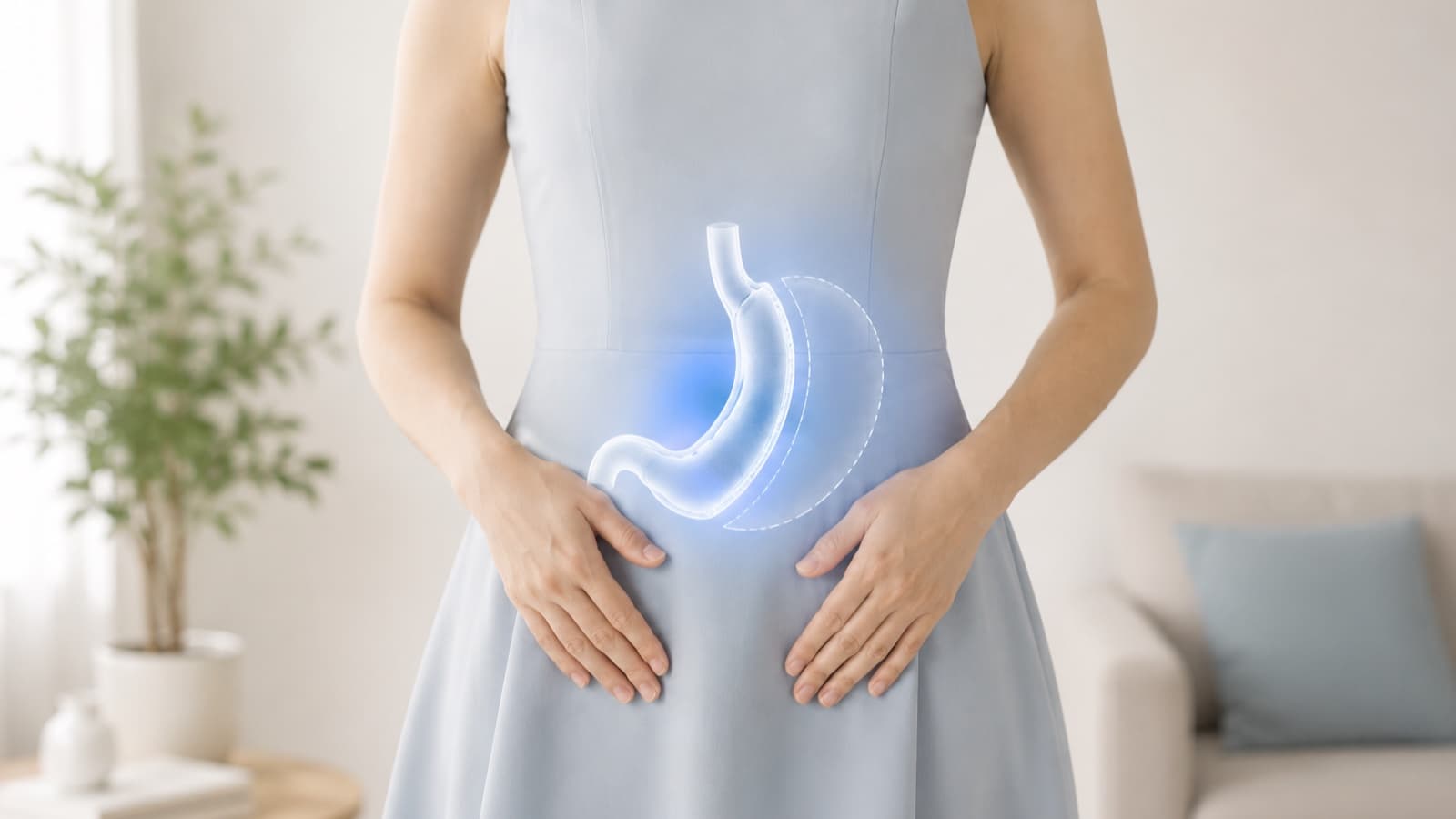
Gastric bypass (Roux-en-Y) is an established bariatric procedure in which a small pouch of approximately 30 mL is created from the stomach and a section of the small intestine is bypassed. It both restricts food intake and alters the absorption pathway. It is often a preferred option for patients with type 2 diabetes alongside obesity.
Medically reviewed by Assoc. Prof. Dr. Hasan Abuoğlu · May 1, 2026
Gastric bypass (Roux-en-Y) is an obesity surgery technique that both restricts food intake and reduces absorption by converting the stomach into a small pouch of approximately 20-30 mL and bypassing a portion of the small intestine. The procedure is performed laparoscopically and typically completed within 90-120 minutes. It is a bariatric procedure with a high level of scientific evidence, used in the surgical treatment of morbid obesity and obesity-related metabolic conditions [1][2].
According to World Health Organization data, obesity has nearly tripled worldwide since 1975 and has become a systemic health concern affecting a significant portion of the adult population, associated with numerous comorbidities such as type 2 diabetes, cardiovascular diseases, and sleep apnea [3]. In the indication guidelines updated in 2022 by IFSO and ASMBS, metabolic and bariatric surgery is defined among the first-line treatment options for patients with morbid obesity who have not achieved adequate response to diet, exercise, and medical therapy [2]. In these guidelines, gastric bypass stands out particularly in patients with type 2 diabetes, gastroesophageal reflux disease (GERD), and metabolic syndrome.
The most common questions about this treatment
Gastric bypass has been technically designed as a reversible surgery, as the stomach is not completely removed and the intestinal anatomy can be rearranged. However, in practice, reversal surgery is rarely performed and is considered only in cases of severe malnutrition, uncontrolled hypoglycemia, or major complications. Since this second surgery itself carries significant risks, it is recommended that the decision for gastric bypass be made as a permanent change. For many patients, long-term follow-up and, when necessary, revision surgery, rather than reversal, represent a more appropriate approach.
An average of approximately 60-80% of excess weight (EWL) can be lost in the first 12 months after gastric bypass [4]. Weight loss occurs most rapidly in the first 3 months and plateaus toward the 18th-24th month. The speed of loss varies from person to person based on baseline BMI, age, sex, hormonal status, physical activity, and dietary compliance. For this reason, outcomes cannot be guaranteed. It should be kept in mind that the goal is not an ideal weight but a healthy and sustainable range.
Gastric bypass is one of the most effective bariatric procedures in terms of type 2 diabetes. Randomized studies have reported diabetes remission or significant improvement in control in approximately 80% of patients within one year after surgery [5]. This effect is explained not only by weight loss but also by the surgery's metabolic effects that increase intestinal hormones such as GLP-1 and PYY. The chance of remission is higher if the duration of diabetes is under 10 years and pancreatic reserve is preserved. Nevertheless, it should be kept in mind that diabetes may partially return in some patients over the years, and that outcomes may vary from person to person.
Gastric bypass creates controlled malabsorption, and therefore a reduction in the absorption of some vitamins and minerals is expected. Levels of vitamin B12, iron, calcium, vitamin D, folate, and thiamine, in particular, may decrease when supplementation is neglected. This situation is preventable; the majority can be managed without problems through regular supplementation and annual blood tests. Protein malnutrition is seen only in patients who fail to meet daily protein targets. Lifelong follow-up enables early detection of absorption issues.
Yes, vitamin and mineral supplementation after gastric bypass is a lifelong habit. Since the surgery bypasses a portion of the small intestine, absorption of these nutrients falls to levels that cannot be met by food alone. Daily multivitamin, calcium, vitamin D, and periodic B12 supplementation are part of the standard protocol. Supplements should never be arbitrarily discontinued, as stopping them may lead to serious consequences such as neuropathy, anemia, and bone loss years later. Supplements are individualized under physician supervision.
Pregnancy is possible after gastric bypass, and significant improvement in fertility is seen in women with obesity-related infertility. However, it is recommended to wait at least 12-18 months before becoming pregnant; this period is necessary for the rapid weight loss phase to be completed and for nutritional status to stabilize. During pregnancy, supplementation of B12, iron, folate, and vitamin D should be continued, and regular blood tests should be performed. Post-bypass pregnancies should be managed under the follow-up of an experienced obstetrics team. Since the absorption of oral contraceptives may vary, alternative contraceptive methods may be preferred.
The standard age range for gastric bypass is between 18-65; however, these limits are not absolute. Surgery may be performed in healthy individuals over 65 after individualized evaluation; in this group, the tolerability of surgical stress and the expected benefit are carefully weighed. In adolescent patients (generally above 14 years of age), evaluation is conducted with the pediatric obesity team in the presence of morbid obesity and serious comorbidities. At both ends, the decision is made based on biological age, comorbidities, expected lifespan, and quality of life goals.
The Social Security Institution evaluates bariatric surgery expenses for patients meeting certain criteria within the scope of the Health Implementation Communiqué. Core criteria may include specific BMI thresholds, the presence of serious accompanying comorbidities, endocrinology approval, psychiatric evaluation, and a trial of medical treatment for a certain period. Since criteria and coverage are updated from time to time, the current status must be verified with the relevant healthcare institution and the Social Security Institution when planning surgery. The process is evaluated according to the individual patient file.
The process for patients coming from abroad begins with remote consultation in advance. The patient shares existing medical records, recent blood tests, and imaging results; the surgical team conducts an eligibility assessment. After arrival in Turkey, in-person examination, additional tests, and anesthesia assessment are completed within 1-2 days. The recommended length of stay after surgery is at least 7-10 days; this period is important for follow-up examinations and pre-flight thromboembolism risk. Follow-up after return is maintained through remote monitoring, video consultation, and coordination with local healthcare teams.
Sleeve gastrectomy is a purely restrictive operation performed by removing a portion of the stomach; the intestinal anatomy is not altered. Gastric bypass, on the other hand, both reduces stomach volume and modifies absorption by bypassing a portion of the small intestine. Bypass is generally more effective in type 2 diabetes remission and long-term weight maintenance, and it improves GERD. Sleeve, on the other hand, is technically simpler, has a milder complication profile, and has lower vitamin supplementation requirements. The team decides which is to be preferred based on the patient's BMI, comorbidities, reflux status, and eating habits.
The eating experience changes fundamentally after gastric bypass. Due to the 20-30 mL pouch, rapid satiety is felt with very small portions. Eating slowly, chewing thoroughly, and not taking fluids with meals are necessary; otherwise, nausea, pressure sensation, or vomiting may occur. If sugary or fatty foods pass rapidly into the intestine, dumping syndrome (palpitations, sweating, fatigue, diarrhea) may develop; in most patients, this serves as a form of "feedback" that regulates eating behavior. Over time, patients learn which foods they can tolerate and how, and the eating experience settles into a new balance.
Gastric bypass is among the procedures with favorable long-term outcomes among existing bariatric procedures; in 5-10 year follow-up studies, the majority of patients can maintain a significant portion of the weight lost [4]. Nevertheless, it is not a permanent "cure"; partial weight regain may be observed in a certain group of patients over the years. The strongest factors determining outcomes are behavioral compliance, exercise habits, regular medical follow-up, and psychosocial support. In patients experiencing weight regain, the priority is dietary and lifestyle intervention; in selected cases, endoscopic or surgical revision options may be considered.
Explore other bariatric surgery options
Gastric bypass is a combined bariatric surgical procedure that permanently divides the stomach into a small upper section (gastric pouch) and a larger bypassed lower section, then directly connects the small intestine to this small pouch. The method, with both restrictive and malabsorptive features, modifies not only the quantity of food eaten but also the extent to which the calories consumed are utilized by the body [1].
The procedure was first described in the 1960s, and its current laparoscopic Roux-en-Y form became standard in the 1990s. According to the IFSO Global Registry 2023 report, gastric bypass is the second most frequently performed bariatric procedure worldwide after sleeve gastrectomy; it is preferred particularly for its long-term weight maintenance and metabolic efficacy [1].
During surgery, the stomach is divided from the upper portion using a horizontal stapler line, creating a small gastric pouch of approximately 20-30 mL. This volume corresponds to approximately 1/50 of a normal stomach. The small pouch allows the patient to reach early satiety with very small amounts of food.
The second dimension of the anatomical change occurs in the small intestine. Normally, food from the esophagus passes through the entire stomach, the duodenum, and the first portion of the small intestine (proximal jejunum). After gastric bypass, this first segment is bypassed; food is transferred directly from the gastric pouch to a more distal jejunal segment. As a result, bile and pancreatic secretions mix with food later, and caloric absorption is reduced.
The name "Roux-en-Y" refers to a surgical technique describing the reconfiguration of the small intestine in the shape of the letter Y. The term originates from Swiss surgeon César Roux, who described a similar intestinal reconstruction in the 19th century. In gastric bypass surgery, the segment carrying the food (alimentary limb) and the segment carrying bile-pancreatic secretions (biliopancreatic limb) merge at the lower end of the Y to form the common channel.
This anatomical configuration reduces the surface area where food contacts bile, creates an antireflux barrier, and contributes to metabolic improvement by increasing the secretion of postprandial intestinal hormones (GLP-1, PYY) [5]. This mechanism is the fundamental reason why gastric bypass is considered not merely a "weight loss surgery" but also a metabolic surgical procedure.
Gastric bypass is today predominantly performed using the laparoscopic (closed) technique. Five to six ports, 5-12 mm in diameter, are created in the abdominal wall; the camera and surgical instruments are introduced through these ports. The abdominal cavity is insufflated with carbon dioxide to create working space. Compared to open surgery, the laparoscopic approach is associated with less postoperative pain, shorter hospital stay, lower wound infection rates, and faster recovery [3].
The procedure may also be performed with robotic surgical systems in some centers. The robotic approach may provide precise suture control, particularly in advanced obesity patients; however, the current literature does not demonstrate significant superiority of one approach over the other in terms of long-term outcomes.
The surgical team first divides the stomach from the upper portion, along the lesser curvature just below the esophagus, using a stapler to create a vertical pouch of approximately 20-30 mL. The jejunum is then divided at a point approximately 30-50 cm distal to the ligament of Treitz.
After this division, the lower end (alimentary limb) is connected to the gastric pouch to create the first anastomosis (connection); this is called gastrojejunostomy. The typical length of the alimentary limb is between 100-150 cm and can be personalized according to the patient's BMI. This length is the key parameter that determines the balance between the malabsorptive effect and the risk of nutritional deficiency. The second anastomosis (jejunojejunostomy) completes the Y configuration by joining the biliopancreatic limb with the alimentary limb.
The leak-free and stricture-free nature of the anastomoses is the cornerstone of surgical safety. For this reason, leak testing with methylene blue or intraoperative gastroscopy may be performed during the operation.
In experienced hands, laparoscopic Roux-en-Y gastric bypass surgery is typically completed within 90-120 minutes. The duration may be longer in patients who have undergone previous abdominal surgery, have very high BMI, or present with hepatomegaly. Hospital stay is 3-4 days in most cases, and discharge criteria include pain control, tolerance of fluids, mobilization, and absence of fever.
Gastric bypass is not a method applied to every obese individual; the indication decision is made after multidisciplinary evaluation. In the indication guidelines updated in 2022 by IFSO and ASMBS, eligibility criteria are defined as follows [2]:
BMI ≥ 40 kg/m²: Surgical evaluation is indicated without accompanying disease.
BMI ≥ 35 kg/m²: Surgical evaluation is indicated if at least one obesity-related comorbidity is present, such as type 2 diabetes, hypertension, sleep apnea, dyslipidemia, fatty liver, GERD, or joint disease.
BMI ≥ 30 kg/m²: May be evaluated as metabolic surgery in cases of type 2 diabetes resistant to pharmacological treatment.
Age range: Generally 18-65 years; individual assessment is required for adolescent patients and those over 65.
Treatment history: Inadequate response to controlled diet and medical treatment is expected.
Psychological evaluation: Untreated eating disorders, severe depression, active substance dependence, or cognitive deficiencies may constitute relative contraindications.
Gastric bypass is among the procedures preferentially evaluated particularly in cases with significant GERD symptoms, type 2 diabetes, or insufficient weight loss following prior sleeve gastrectomy. Conditions such as pregnancy, untreated cancer, severe heart failure, advanced liver cirrhosis, and portal hypertension constitute absolute or relative contraindications. The final decision must be made only after evaluation by the surgical team.
The preoperative preparation period usually lasts 2-4 weeks and is conducted with the guidance of a multidisciplinary team. During this process, blood tests (biochemistry, complete blood count, hormone profile, hepatitis markers), upper gastrointestinal endoscopy, chest X-ray, ECG, echocardiography if needed, abdominal ultrasonography, and vitamin-mineral profile examination are performed. Anesthesia assessment and internal medicine consultation are part of standard preparation.
Reduction of liver size is critically important for surgical visibility and safety. For this reason, a low-calorie, high-protein nutrition program called the "liver shrinking diet" is initiated approximately 2 weeks before surgery. The diet typically provides 800-1000 kcal per day and reduces hepatic fat content, leading to thinning of the left lobe. Smoking should be stopped at least 4 weeks in advance; smoking significantly increases the risk of anastomotic leakage and marginal ulcer. At least 8-10 hours of fasting is required before surgery.
The patient is admitted to the hospital on the day of surgery in a fasting state. Following the final assessment with the anesthesia team, the patient is transferred to the operating room, and the procedure begins under general anesthesia. For venous thromboembolism prophylaxis, pneumatic compression stockings and low-molecular-weight heparin are administered.
A urinary catheter may be placed during surgery, and a nasogastric tube may be used to evacuate gas from the stomach; this tube is usually removed at the end of the operation. After the surgery is completed, the patient is monitored in the recovery room for 1-2 hours and then transferred to the ward.
On the first postoperative day, the patient is usually ambulated over short distances on the same day; this practice reduces the risk of pulmonary complications and deep vein thrombosis. During the first 24 hours, small amounts of water are given orally. On the second day, transition to clear fluids is made. Before discharge, the absence of anastomotic leakage is confirmed at most centers by barium swallow radiography or methylene blue testing.
Discharge typically occurs on the 3rd-4th day. The patient is prescribed a proton pump inhibitor, anticoagulant (for 2-4 weeks postoperatively), analgesic, and multivitamin. For international patients, a stay of at least 7-10 days in Istanbul after surgery is recommended; this period is important both for follow-up examinations and for management of thromboembolism risk prior to flight.
Weight loss after gastric bypass follows a specific trajectory. The first 3 months represent a period of rapid loss; approximately 30-40% of excess weight is lost during this period. By the end of the sixth month, patients typically lose 50-60% of their excess weight. By the end of the twelfth month, this rate may reach 60-80%, and this parameter, referred to as Excess Weight Loss (EWL) in the literature, is the principal indicator of gastric bypass efficacy [4]. These rates represent average values and may show significant variation between individuals.
Between 18-24 months, weight loss generally reaches a plateau. In 5-year follow-up studies, an average of 55-65% EWL is reported to be maintained; long-term weight maintenance rates are generally higher compared to sleeve gastrectomy. However, individual outcomes may vary significantly based on genetics, lifestyle, dietary compliance, and physical activity.
In terms of metabolic outcomes, randomized controlled trials such as the STAMPEDE study have demonstrated a strong effect of gastric bypass on type 2 diabetes. Remission rates of up to 80% at one year have been reported in patients with type 2 diabetes; reductions in insulin and oral antidiabetic requirements have been observed from the first postoperative days in many patients [5]. This effect is attributed not only to weight loss but also to increases in GLP-1 and changes in bile acid metabolism.
In approximately 60-70% of patients with hypertension, medication requirements decrease or resolve. Improvement rates in obstructive sleep apnea are high. Significant improvement is also reported in obesity-related conditions such as dyslipidemia, fatty liver disease, polycystic ovary syndrome, and infertility. Quality of life scores and physical activity capacity improve significantly in the second year after surgery. It should always be kept in mind that outcomes may vary from person to person.
The first two weeks constitute the most sensitive period. The patient consumes only clear fluids, followed by full liquid consistency foods. Daily fluid intake should be approximately 1.5-2 liters, but should not be taken with meals; rather, between meals. During this period, fatigue, mild nausea, constipation, and tiredness are expected findings.
Heavy lifting (over 5 kg) should be avoided, and movements that increase intra-abdominal pressure should be limited. The patient should take short walks 3-4 times a day; walking both prevents deep vein thrombosis and assists in regulating bowel movements. Showering is generally permitted from the second day; bathtub use is not recommended until sutures are fully healed.
Starting from the third week, transition to soft solid foods begins; this phase includes a gradual transition from puree to normal food. Most patients can return to light desk work in the 2nd-3rd week; this period extends to 4-6 weeks for physically demanding occupations.
Between the first and third months, skin dryness, hair loss, and fatigue may occur alongside rapid weight loss. Hair loss is a physiological process called telogen effluvium, related to rapid weight loss, and generally resolves spontaneously within 3-6 months. During this period, consuming at least 60-80 grams of protein per day and adequate fluid intake helps reduce hair loss.
Between the fourth and sixth weeks, internal tissues have largely healed and return to normal life is complete. Low-impact exercises such as swimming, pilates, and cycling may be initiated from the 4th week. A waiting period of 6-8 weeks is generally recommended for activities that increase intra-abdominal pressure, such as weight training and high-intensity running.
Long-term exercise habits play a critical role in maintaining weight loss. Studies have shown that weight regain is significantly reduced in patients who engage in at least 150 minutes of moderate-intensity aerobic exercise per week.
The postoperative nutrition program progresses in stages and is individualized under dietitian supervision:
Week 1: Clear fluids — water, unsweetened weak tea, fat-free broth, small amounts of ayran.
Week 2: Full liquid — milk, yogurt, protein powder mixtures, thinned soups.
Week 3: Puree — well-cooked vegetable and meat purees, mashed eggs.
Weeks 4-5: Soft solid — poached fish, soft meatballs, soft chicken, well-cooked vegetables.
From week 6 onwards: Normal consistency solid food; small portions, thorough chewing.
Eating habits are permanently restructured after gastric bypass. Meal portions are 100-150 mL during the first year and 200-250 mL in the following period. The patient must chew bites thoroughly, should not consume liquids while eating, and should take fluids 30 minutes before or 30 minutes after meals.
Protein should be prioritized and consumed in the first half of the meal. The daily protein target is 60-80 grams, and in most cases 1.2-1.5 g/kg ideal body weight. Refined sugar and high glycemic index carbohydrates should be limited as they increase the risk of dumping syndrome. Alcohol metabolism is accelerated after bypass, and it exhibits more pronounced effects at lower doses; complete avoidance in the first year and very limited consumption thereafter are recommended.
Due to the reduction in absorption area, gastric bypass patients must use vitamin and mineral supplements lifelong. The most commonly deficient micronutrients are vitamin B12, iron, calcium, vitamin D, folate, thiamine (B1), and zinc.
The standard supplementation protocol generally includes a daily multivitamin, 1500 mg calcium citrate, 3000 IU vitamin D, iron preparations (particularly in menstruating women), and monthly or quarterly B12 injections or sublingual B12. Supplementation is planned by the physician on an individual basis. Failure to take these supplements regularly may lead to serious conditions such as neuropathy, anemia, and osteoporosis years later. For this reason, annual blood tests should continue lifelong.
As with any surgical intervention, gastric bypass has risks; clearly sharing these risks is the foundation of the informed consent process. In experienced centers, gastric bypass mortality is reported as 0.1-0.3%, and major complication rates as approximately 3-5% [3]. These rates may vary with center experience, patient comorbidities, and surgical technique.
Early-period complications include anastomotic leakage (1-2%), bleeding (1-4%), deep vein thrombosis and pulmonary embolism, wound infection, and pneumonia. Anastomotic leakage is a rare but serious complication; fever, tachycardia, and abdominal pain are closely monitored for early diagnosis.
Late-period complications include:
Marginal ulcer: Ulcer seen at the gastrojejunal anastomosis line; associated with smoking and NSAID use. Incidence is 1-5%.
Anastomotic stricture (stenosis): Manifests with difficulty swallowing; can be treated with endoscopic balloon dilatation.
Dumping syndrome: A clinical picture of palpitations, sweating, diarrhea, and hypoglycemia resulting from the rapid passage of sugary or fatty foods into the small intestine. Early dumping may be seen in 20-50%; most patients achieve control with dietary adjustment.
Internal hernia: Herniation of the intestine through the openings in the mesentery. Must be ruled out in bypass patients presenting with chronic abdominal pain.
Gallstones: May occur at high rates in the first 1-2 years due to rapid weight loss.
Micronutrient deficiencies: B12 deficiency, iron deficiency anemia, calcium/vitamin D deficiency, and protein-energy malnutrition may reach serious levels when supplementation is neglected.
Weight regain: Weight regain may be observed in some patients during 5-10 year follow-up; disruption in behavioral and dietary follow-up is the fundamental cause.
The majority of risks can be significantly reduced with multidisciplinary team follow-up, regular follow-up examinations, and patient compliance with education. The likelihood and outcomes of complications vary from person to person.
Sleeve gastrectomy and gastric bypass are the two most frequently performed bariatric procedures today, and the choice between them requires individualized evaluation on a patient basis.
Sleeve gastrectomy is a purely restrictive operation in which approximately 75-80% of the stomach is removed along the greater curvature. The intestinal anatomy is not altered; malabsorption does not occur. Surgical duration and complication rates are generally lower compared to bypass. However, GERD symptoms may increase after surgery, and weight regain may be seen more frequently in the long term compared to bypass.
Gastric bypass, on the other hand, exhibits both restrictive and malabsorptive effects, is superior in type 2 diabetes remission, improves reflux in patients with GERD, and offers better long-term weight maintenance. On the other hand, the surgery is more complex, requires lifelong vitamin supplementation, and carries bypass-specific risks such as dumping syndrome and internal hernia.
Practically speaking, gastric bypass is evaluated in patients with type 2 diabetes, significant GERD, super obesity above BMI 50, or weight regain after sleeve. Sleeve gastrectomy, on the other hand, may emerge as an option in younger patients with limited comorbidities, BMI in the 35-45 range, and without heavy medication use. The final decision must be made by the multidisciplinary team based on the patient's medical condition, eating habits, and postoperative follow-up compliance.
Assoc. Prof. Dr. Hasan Abuoğlu is a General Surgeon serving in Istanbul with many years of surgical experience. He continues his work in the field of bariatric and metabolic surgery as part of his memberships in the Turkish Society of Bariatric and Metabolic Surgery (TBMCD) and the International Federation for the Surgery of Obesity and Metabolic Disorders (IFSO), and reflects current guidelines in his clinical practice.
The clinic's approach addresses obesity not merely as a surgical problem but as a long-term metabolic and behavioral process. Preoperative evaluation is conducted in collaboration with internal medicine, endocrinology, pulmonology, cardiology, psychiatry, and clinical dietitians. This multidisciplinary approach ensures individualized determination of the procedure from which the patient will benefit most.
Postoperative follow-up begins with 1st, 3rd, 6th, and 12th month controls in the first year; it then continues with annual periods in the long term. Vitamin-mineral profile, weight loss trajectory, eating habits, and psychosocial adjustment are regularly evaluated. For international patients, the process is managed with a structured protocol including multilingual communication and pre-flight safety evaluation.
Patient-centered communication, non-judgmental language, and transparent information are the fundamental principles of this approach. The goal is not only to help patients lose weight but to guide them toward sustainable metabolic health and quality of life.
This content is for informational purposes only and does not replace individual medical advice. Results in any surgical or interventional procedure may vary from person to person. It is recommended to obtain detailed opinions from your physician before the procedure. Treatment decisions should only be made after evaluation by a specialist physician.
[1] IFSO Global Registry Report 2023 — https://www.ifso.com/ifso-registry/
[2] 2022 ASMBS and IFSO Indications for Metabolic and Bariatric Surgery — https://asmbs.org/resources/metabolic-and-bariatric-surgery
[3] World Health Organization — Obesity and Overweight Fact Sheet — https://www.who.int/news-room/fact-sheets/detail/obesity-and-overweight
[4] Roux-en-Y Gastric Bypass — Long-term Outcomes, Systematic Review (PubMed) — https://pubmed.ncbi.nlm.nih.gov/
[5] Schauer PR et al., STAMPEDE Trial — Bariatric Surgery vs Intensive Medical Therapy for Diabetes (N Engl J Med) — https://www.nejm.org/doi/full/10.1056/NEJMoa1600869
[6] Turkish Society of Bariatric and Metabolic Surgery — https://www.tbmcd.org.tr/
For detailed information about bariatric and metabolic surgery procedures, you may use the contact channels below. Initial consultations for international patients can be arranged remotely via video call or WhatsApp.

Assoc. Prof. Dr. Hasan Abuoğlu
Associate Professor of General Surgery