This article was reviewed on May 1, 2026 by Assoc. Prof. Dr. Hasan Abuoğlu, Associate Professor of General Surgery, in accordance with international IFSO and ASMBS 2022 clinical guidelines and current peer-reviewed literature.
Obesity is one of the most pressing health concerns of the modern era. When lifestyle modifications such as diet and exercise do not yield sufficient results, sleeve gastrectomy — also known as laparoscopic sleeve gastrectomy (LSG) or gastric sleeve surgery — has emerged as an evidence-based, effective surgical option. Sleeve gastrectomy currently accounts for approximately half of all bariatric and metabolic surgical procedures performed worldwide.
This comprehensive guide explains what sleeve gastrectomy is, how it is performed, who may be a candidate, the pre- and postoperative process, and answers the most frequently asked questions.
What is Sleeve Gastrectomy?
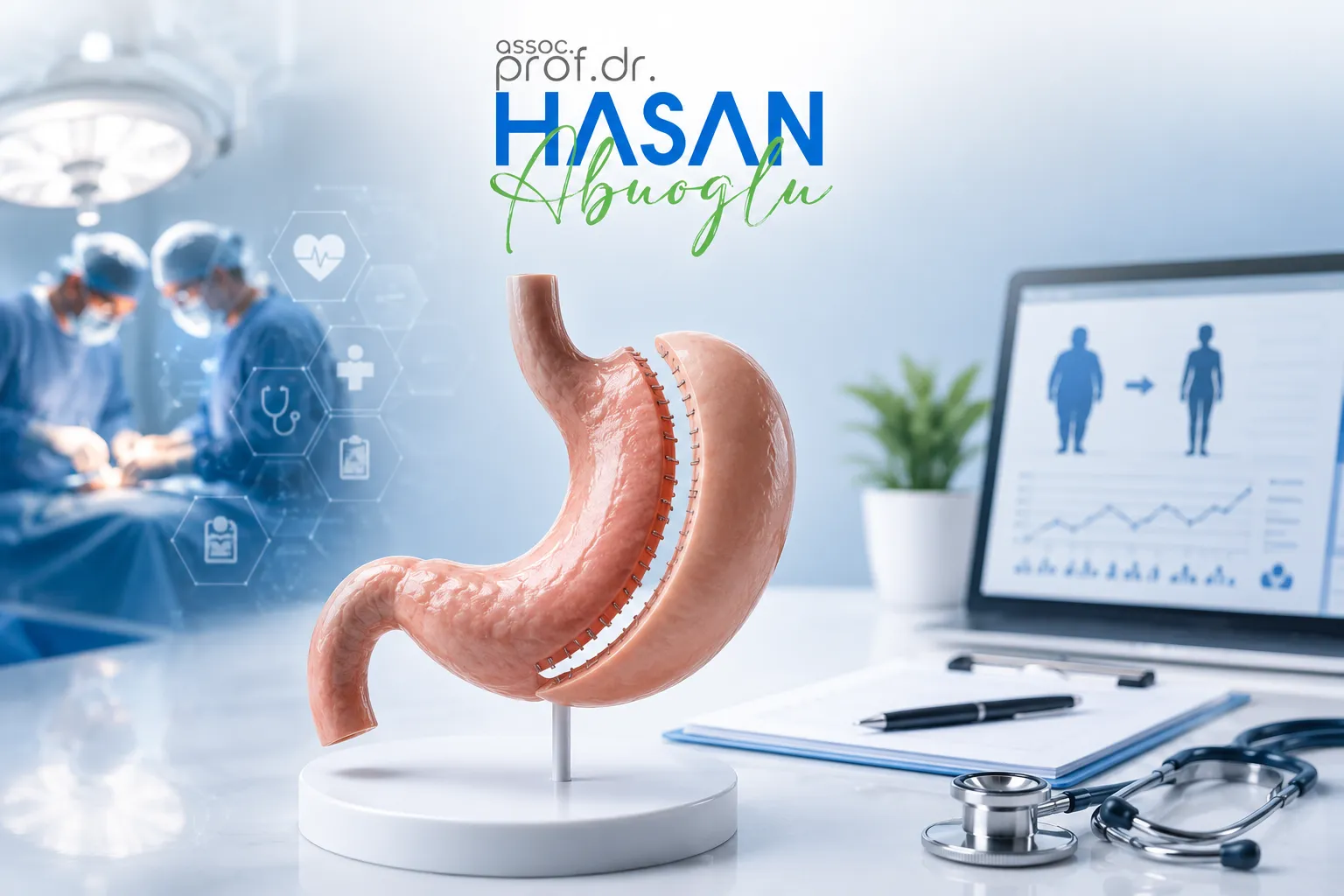
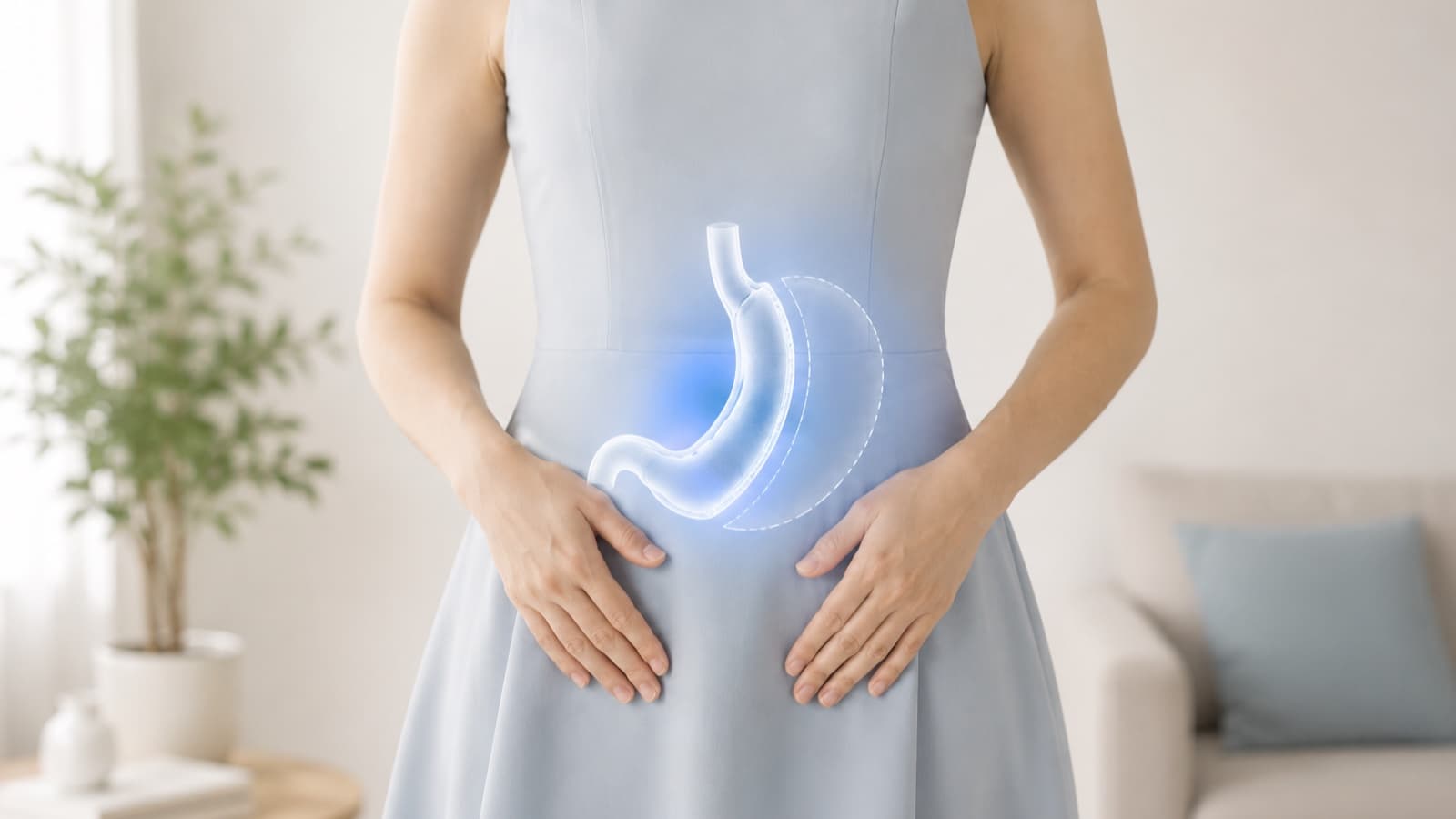
Sleeve gastrectomy is a bariatric surgery procedure in which approximately 75-80% of the stomach is surgically removed, leaving behind a banana-shaped or tube-shaped stomach. In medical literature, it is referred to as laparoscopic sleeve gastrectomy (LSG).
Key Facts
| Aspect | Detail |
|---|---|
| Medical name | Laparoscopic sleeve gastrectomy (LSG) |
| Other names | Gastric sleeve surgery, vertical sleeve gastrectomy |
| Mechanism | Restrictive (limits food intake) |
| Surgical approach | Laparoscopic (minimally invasive, through small incisions) |
| Procedure duration | Approximately 60-90 minutes |
| Hospital stay | Typically 2-3 days |
| Recovery period | 2-4 weeks |
Mechanisms of Action
Sleeve gastrectomy works through two primary mechanisms:
1. Restriction of food intake (mechanical effect): With a smaller stomach volume, the patient feels full after eating much smaller portions. The stomach volume reduces from approximately 1-1.5 liters preoperatively to about 100-150 ml postoperatively.
2. Hormonal changes (metabolic effect): The portion of the stomach that is removed produces a hormone called ghrelin, often referred to as the "hunger hormone." With most of the ghrelin-producing region surgically removed, patients experience a significant reduction in hunger sensation following the procedure.
The combination of these two mechanisms positions sleeve gastrectomy not only as a mechanical restrictive procedure but also as a metabolic surgical operation.
How Does It Work?
Anatomical Changes
The volume of a normal adult stomach is approximately 1,000-1,500 ml. During sleeve gastrectomy, the greater curvature of the stomach (including the fundus and greater body) is removed, leaving a long and narrow tube extending from the stomach inlet to the outlet.
Food Processing After Surgery
Following sleeve gastrectomy, the digestive process works as follows:
- Food passes from the esophagus directly into the new sleeve-shaped stomach.
- Due to the smaller volume, patients feel full after consuming only a few tablespoons of food.
- Food then enters the duodenum following the normal digestive pathway and is digested normally.
- Because intestinal absorption remains unchanged, vitamin and mineral absorption issues are typically less pronounced compared with bypass procedures.
Important: Because sleeve gastrectomy does not alter intestinal anatomy, it is classified as a restrictive procedure, distinct from absorption-reducing operations such as gastric bypass.
Who is a Candidate?
Eligibility for sleeve gastrectomy is determined according to internationally recognized clinical guidelines issued by professional medical societies.
International Guidelines (ASMBS / IFSO 2022)
The joint guidelines published in 2022 by the American Society for Metabolic and Bariatric Surgery (ASMBS) and the International Federation for the Surgery of Obesity and Metabolic Disorders (IFSO) define the indications for metabolic and bariatric surgery, including sleeve gastrectomy, as follows:
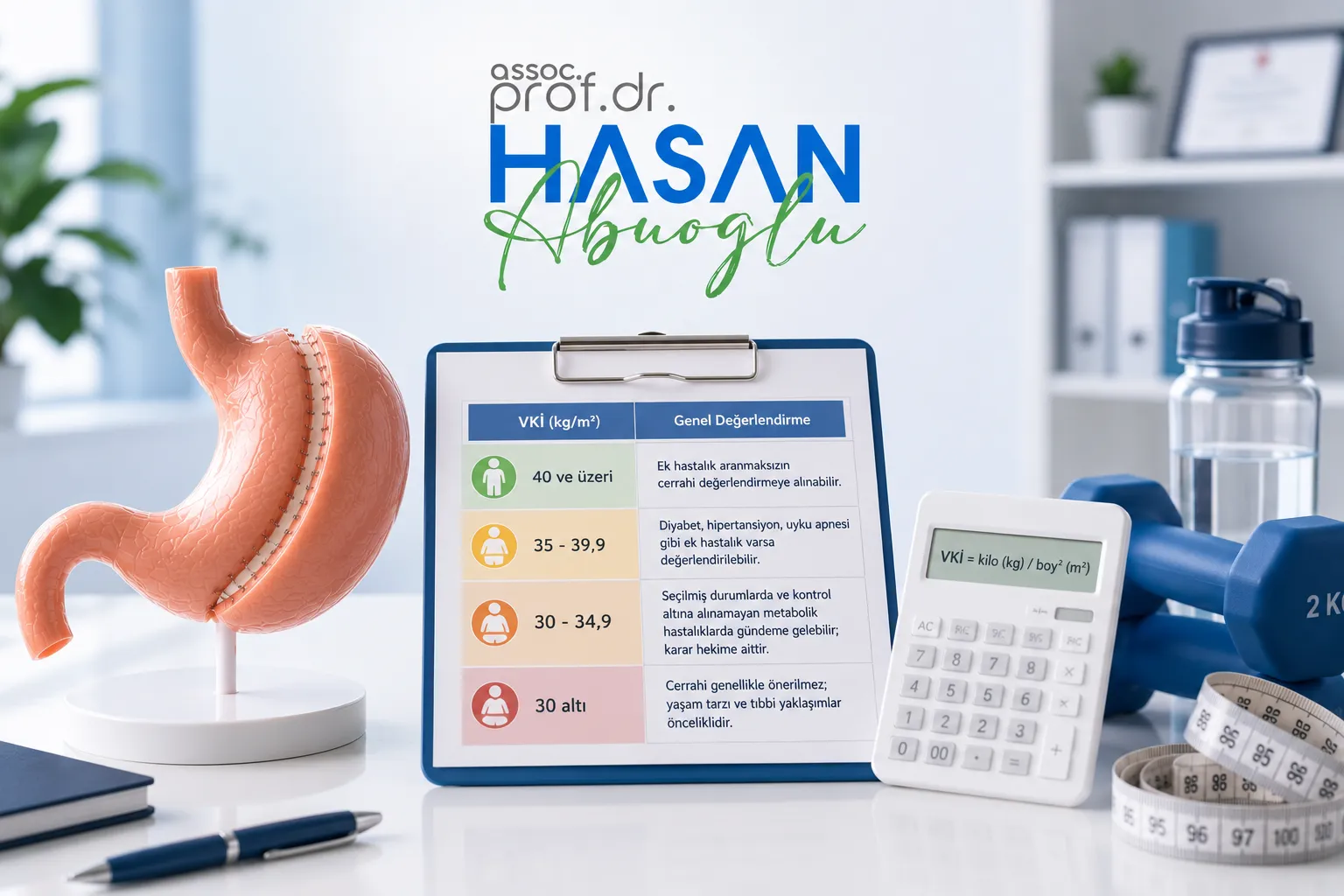
| Body Mass Index (BMI) | Recommendation |
|---|---|
| BMI ≥ 35 kg/m² | Eligible regardless of presence of comorbidities |
| BMI 30-34.9 kg/m² | May be considered when metabolic disease (e.g., type 2 diabetes) is present |
| Asian populations BMI > 27.5 kg/m² | Lower threshold due to genetic and metabolic differences |
Historical note: The 1991 NIH Consensus Statement established BMI ≥ 40 (without comorbidities) or BMI ≥ 35 (with comorbidities) as the eligibility threshold. The 2022 ASMBS/IFSO update lowered these thresholds based on accumulated evidence demonstrating safety and long-term efficacy.
BMI Calculation
Body Mass Index is calculated as follows:
Formula
BMI = Weight (kg) / [Height (m) × Height (m)]
Example: A person weighing 95 kg and 1.70 m tall has a BMI of:
Formula
BMI = 95 / (1.70 × 1.70) = 95 / 2.89 = 32.9 kg/m²
Obesity-Related Comorbidities
The following obesity-related conditions strengthen the indication for surgery:
- Type 2 diabetes
- Hypertension
- Hyperlipidemia (high cholesterol/triglycerides)
- Obstructive sleep apnea
- Polycystic ovary syndrome (PCOS)
- Insulin resistance
- Non-alcoholic fatty liver disease
- Joint and spinal problems
- Gastroesophageal reflux disease (GERD) — note: gastric bypass may be preferred in some cases
Age Range
The current ASMBS/IFSO guidelines support the following age groups, following appropriate evaluation:
- 18-65 years: Standard indication
- Over 65 years: Individual evaluation and may be considered
- Under 18 years (adolescents): May be considered after multidisciplinary team evaluation, for those with BMI > 120% of the 95th percentile and comorbidities
Who is Not a Candidate?
In the following situations, sleeve gastrectomy is either contraindicated or other treatment options are explored first:
Absolute Contraindications
- Untreated severe psychiatric disorders (psychosis, uncontrolled bipolar disorder)
- Active substance abuse (alcohol, drugs)
- Inability to comply with postoperative follow-up and lifestyle changes
- Uncontrolled cardiopulmonary disease creating prohibitive surgical risk
Relative Contraindications
- Severe gastroesophageal reflux disease (GERD): Gastric bypass may be considered
- Barrett's esophagus
- Large hiatal hernia (may be repaired during surgery)
- Previous extensive gastric surgery
- Pregnancy or near-term pregnancy plan (recommended waiting period: 12-18 months postop)
Clinical evaluation is essential: The lists above provide general guidance. Determination of individual eligibility is only possible after detailed medical evaluation and necessary investigations.
How is the Surgery Performed?
Sleeve gastrectomy is now performed almost exclusively using a laparoscopic (minimally invasive) approach. Open surgery is rarely used today, except in specific circumstances.
Step-by-Step Surgical Process
1. General anesthesia: The patient is placed under general anesthesia by the anesthesiologist.
2. Trocar placement: 5-6 small incisions (each 0.5-1.2 cm in size) are made in the abdomen for the placement of laparoscopic trocars.
3. Pneumoperitoneum: The abdominal cavity is insufflated with carbon dioxide to create working space for the surgeon.
4. Stomach exposure: The left lobe of the liver is retracted to expose the stomach.
5. Vascular dissection: Blood vessels along the greater curvature of the stomach (gastroepiploic artery branches) are carefully divided using advanced energy devices (LigaSure, Harmonic Scalpel).
6. Bougie placement: A calibration tube (bougie) is inserted by the anesthesiologist through the esophagus into the stomach. Standard bougie sizes range between 36-40 French (approximately 12 mm diameter), used to standardize the volume of the remaining gastric tube.
7. Stomach division with stapler: Using linear surgical staplers, the stomach is divided vertically along the bougie. This is typically completed in 5-7 stapler firings.
8. Specimen extraction: The removed portion of the stomach is extracted through one of the trocar sites.
9. Hemostasis and leak testing: The staple line is carefully inspected; reinforced or sutured if necessary. Some surgeons perform a leak test using methylene blue solution or intraoperative endoscopy.
10. Drains: In some cases, 1-2 drains may be placed.
11. Trocar removal and closure: The pneumoperitoneum is released, trocars are removed, and the small incisions are closed.
Surgical Technologies
Modern sleeve gastrectomy procedures utilize the following technologies:
- Laparoscopic cameras (HD or 4K imaging systems)
- Tissue sealing/cutting devices (LigaSure, Harmonic, Thunderbeat)
- Linear surgical staplers (Echelon, Endo GIA, Signia)
- Staple line reinforcement materials (when indicated)
- Robotic surgery (in select centers with appropriate equipment and indication)
Surgery Duration and Hospital Stay
Surgical Duration
A standard, uncomplicated sleeve gastrectomy procedure typically lasts 60-90 minutes of operative time. This duration may vary based on:
- Patient's anatomical features (history of previous surgery, adhesions)
- BMI value
- Surgeon's experience
- Need for additional procedures (e.g., hiatal hernia repair)
Hospital Stay
Typical hospital stay following sleeve gastrectomy is 2-3 days:
| Day | Process |
|---|---|
| Day of surgery | Postoperative recovery, observation, pain control, sips of water (with surgeon's approval) |
| Day 1 | Liquid diet initiation, ambulation encouraged, leak test (if indicated) |
| Day 2 | Drain removal (if present), test results review, discharge planning |
| Day 3 | Most patients are discharged |
Hospital stay duration may vary based on the patient's recovery rate, return of bowel function, and pain control.
Preoperative Preparation
The preoperative process is critically important for successful surgery and rapid recovery.
Medical Evaluation
The following workup is standard:
Blood tests:
- Complete blood count, biochemistry, coagulation panel
- HbA1c (diabetes screening)
- Thyroid function tests (TSH, fT4)
- Vitamin B12, vitamin D, iron, ferritin
- Lipid panel
Imaging:
- Upper gastrointestinal endoscopy (gastroscopy)
- Abdominal ultrasonography (gallstone screening)
- Chest X-ray
- ECG, echocardiography (if indicated)
Consultations:
- Anesthesiology
- Endocrinology (if diabetes/thyroid disease present)
- Cardiology (in cases of cardiac disease or advanced age)
- Pulmonology (if sleep apnea is suspected)
- Psychiatry/psychology
Preoperative Diet
Most centers recommend a 2-4 week liver-shrinking diet before surgery:
- Low-calorie, low-carbohydrate
- High-protein
- Liquid-predominant (especially the final week)
- Complete cessation of alcohol consumption
- Smoking cessation when possible (at least 4 weeks prior)
This diet helps reduce the size of the liver during surgery, improving surgical visualization and reducing complication risk.
Day of Surgery
- Fasting for the last 8 hours
- Regular medications taken or held per anesthesiologist's recommendation
- Removal of nail polish, jewelry, contact lenses
- Blood thinners (aspirin, warfarin, etc.) discontinued at the appropriate timeframe
Postoperative Process
Initial Hospital Days
Within the first 24-48 hours after surgery:
- IV fluid and medication support is provided
- Pain control is established
- Early ambulation (out of bed) is encouraged — reduces clot formation risk
- Gradual transition to oral liquid intake
Nutrition Phases
Postoperative nutrition follows a 5-phase progression:
| Phase | Duration | Content |
|---|---|---|
| Phase 1 | First 1-2 days | Water and warm clear fluids only |
| Phase 2 | Week 1 | Clear liquids (broths, vegetable broth, sugar-free tea) |
| Phase 3 | Weeks 2-3 | Pureed/semi-liquid soft foods |
| Phase 4 | Weeks 4-6 | Soft solid foods (eggs, fish, cheese) |
| Phase 5 | From week 6 onward | Normal-textured foods (small portions) |
Activity and Exercise
| Period | Recommended activity |
|---|---|
| First week | Light walking (2-3 times daily, 5-10 minutes) |
| Week 2 | Longer walks, normal household activities |
| Weeks 3-4 | Cycling, light cardio, treadmill walking |
| From week 6 | With medical clearance: weights, yoga, swimming |
Note: Exercises that strain the abdominal area (e.g., sit-ups, heavy weightlifting, contact sports) should be deferred for at least 6-8 weeks.
Vitamin and Mineral Supplementation
After sleeve gastrectomy, lifelong multivitamin and mineral supplementation is recommended:
- Vitamin B12 (oral/sublingual or injection if needed)
- Vitamin D
- Iron
- Calcium
- Multivitamin complex
Periodic blood tests (at 3, 6, 12 months and annually thereafter) are used to monitor vitamin/mineral levels.
Possible Outcomes and Expectations
Weight Loss
Expected weight loss following sleeve gastrectomy, as reported in international literature:
| Time period | Expected weight loss (% of Excess Weight Loss — EWL) |
|---|---|
| 6 months | 50-60% |
| 12 months | 60-70% |
| 18-24 months | 60-70% (typically the maximum point) |
| 5 years | 50-60% (long-term sustainability) |
Excess Weight = Current weight - Ideal weight
Important — Individual variability: The percentages above represent average outcomes from large cohort studies. Individual results vary based on starting BMI, lifestyle adherence, comorbidities, genetic predisposition, hormonal factors, and adherence to postoperative follow-up.
Improvement in Comorbidities
Sleeve gastrectomy may provide significant improvement in obesity-related conditions beyond weight loss. Reported improvement rates from long-term international studies include:
- Type 2 diabetes: Approximately 60-70% remission
- Hypertension: Approximately 60% improvement or reduced medication needs
- Sleep apnea: Approximately 70-80% significant improvement
- Hyperlipidemia: Approximately 60% improvement
- Fatty liver disease: Significant regression
These rates summarize international literature; individual outcomes may vary.
The Importance of Lifestyle Change
Long-term success with sleeve gastrectomy requires integration with lifestyle change. A 2025 systematic review and meta-analysis published in Cureus (PRISMA 2020 compliant, 31 randomized trials, 2014-2025) demonstrated that structured lifestyle interventions (nutrition, exercise, behavioral therapy) added to sleeve gastrectomy resulted in 5-30% greater weight loss, improved BMI, and improved cardiometabolic profiles compared to usual care.
For this reason, the surgery should be regarded as a starting point. Without changes in eating habits, regular exercise, and behavioral patterns, sustaining long-term success becomes difficult.
Risks and Possible Complications
As with any surgical procedure, sleeve gastrectomy carries potential risks. With modern laparoscopic technique and experienced teams, these risks are quite low, but not zero.
Early (Within 30 Days) Risks
- Staple line leak (approximately 1-2%)
- Bleeding (approximately 1%)
- Deep vein thrombosis / pulmonary embolism (low, minimized with prophylaxis)
- Wound infection (rare)
- Anesthesia-related complications
- Pulmonary infections (atelectasis, pneumonia)
Late Risks
- Development or worsening of gastroesophageal reflux disease (GERD)
- Sleeve stricture (stenosis)
- Vitamin/mineral deficiencies (especially B12, D, iron)
- Hair loss (usually between 3-6 months, temporary)
- Gallstone formation (related to rapid weight loss)
- Weight regain (closely related to lifestyle adherence)
Risk Management
Detailed preoperative evaluation, an experienced surgical team, modern technology, close postoperative follow-up, and patient compliance significantly reduce complication risks.
Comparison with Other Bariatric Procedures
In addition to sleeve gastrectomy, several other bariatric procedures are available. The comparison below highlights commonly used methods:
| Feature | Sleeve Gastrectomy | Gastric Bypass (RYGB) | Mini Gastric Bypass | Gastric Balloon |
|---|---|---|---|---|
| Approach | Restrictive + hormonal | Restrictive + malabsorptive | Restrictive + malabsorptive | Restrictive (temporary) |
| Anatomical change | Stomach reduction | Stomach + intestinal bypass | Stomach + intestinal bypass | No surgery |
| Reversibility | Not reversible | Not reversible | Relatively reversible | Fully reversible |
| Average duration | 60-90 min | 90-150 min | 90-120 min | 15-30 min |
| Hospital stay | 2-3 days | 3-4 days | 2-3 days | Often same day |
| Effect on reflux | May worsen in some cases | Improves reflux | Improves reflux | Limited effect |
| Type 2 diabetes effect | Significant improvement | More pronounced improvement | More pronounced improvement | Limited |
| Vitamin malabsorption | Less | More | More | None |
There is no universally "best procedure." The most appropriate option for each patient is determined through individualized evaluation. BMI, comorbidities, reflux history, age, sex, and patient preference are all considered.
Frequently Asked Questions
Is sleeve gastrectomy reversible?
No. Sleeve gastrectomy is not reversible because the removed portion of the stomach cannot be replaced. However, revision surgeries (e.g., conversion to gastric bypass) can be performed if needed.
How long does the postoperative pain last?
Significant pain after laparoscopic surgery typically lasts the first 2-3 days and is controlled with pain medication. After the first week, pain decreases markedly.
When can I return to work?
Office workers can usually return after 2-3 weeks, while those in physically demanding jobs may require 4-6 weeks. The exact timing is determined based on medical evaluation.
When can I become pregnant?
Due to the rapid weight loss period, waiting at least 12-18 months is recommended. Contraception is important during this period. Pregnancy plans should be coordinated with multidisciplinary follow-up.
Will I experience hair loss?
Temporary hair loss may occur between months 3-6 due to rapid weight loss. It typically resolves on its own within 6-9 months. Adequate protein intake and vitamin supplementation can minimize this.
Will I regain weight?
Maximum weight loss occurs in the first 18-24 months. In subsequent years, some weight regain (averaging 5-10%) may occur. Lifestyle adherence, nutrition, and exercise habits are decisive factors.
Is sleeve gastrectomy covered by insurance?
Coverage varies by individual insurance policy and country. Patients are encouraged to consult their insurance provider for specific information.
How long does the procedure take?
Operative time averages 60-90 minutes; however, total time including OR entry, anesthesia induction, recovery, and observation can extend to 2.5-3.5 hours.
Conclusion
Sleeve gastrectomy is one of the most thoroughly researched and evidence-based modern bariatric surgical procedures. Appropriate indication, an experienced team, modern technology, and the patient's commitment to lifestyle change form the foundation of successful outcomes.
The surgery should be regarded as a starting point. Long-term success comes from healthy eating habits, regular exercise, vitamin/mineral supplementation, and consistent medical follow-up after surgery.
For detailed information and individualized evaluation, consultation with a general surgeon experienced in bariatric and metabolic surgery is recommended.
⚠️ Important Notice (in accordance with Turkish Healthcare Promotion Regulation, Official Gazette No. 33075, Article 7/k): Outcomes of any surgical or interventional procedure may vary from person to person. Patients are advised to obtain detailed consultation from their physician before undergoing any procedure.
References
-
Eisenberg D, Shikora SA, Aarts E, et al. 2022 American Society of Metabolic and Bariatric Surgery (ASMBS) and International Federation for the Surgery of Obesity and Metabolic Disorders (IFSO) Indications for Metabolic and Bariatric Surgery. Surg Obes Relat Dis. 2022;18(12):1345-1356. DOI: 10.1016/j.soard.2022.08.013 PMC9834364
-
Salminen P, Grönroos S, Helmiö M, et al. Effect of Laparoscopic Sleeve Gastrectomy vs Roux-en-Y Gastric Bypass on Weight Loss, Comorbidities, and Reflux at 10 Years in Adult Patients With Obesity. JAMA Surg. 2022;157(8):656-666.
-
IFSO Consensus on Definitions and Clinical Practice Guidelines for Obesity Management — an International Delphi Study. Obes Surg. 2024. PMC10781804
-
The Impact of Sleeve Gastrectomy Combined With Lifestyle Interventions on Anthropometric and Health Outcomes in Adults: A Systematic Review and Meta-Analysis. Cureus. 2025. PMC12146907
-
Healthcare Advertising and Information Activities Regulation. Turkish Official Gazette, November 12, 2025, No. 33075.
Author and Medical Reviewer: Assoc. Prof. Dr. Hasan Abuoğlu — Associate Professor of General Surgery
Health Tourism Authorization Number: ST-2697 (Republic of Türkiye, Ministry of Health)
Published: May 1, 2026 Last updated: May 1, 2026 Editorial contact: contact@drhasanabuoglu.com
This content is for informational purposes only and does not substitute for medical advice, diagnosis, or treatment. Always consult a qualified healthcare provider for medical decisions.